Spain built the world's first steam powered submarine in 1864
Headline and summary by local AI
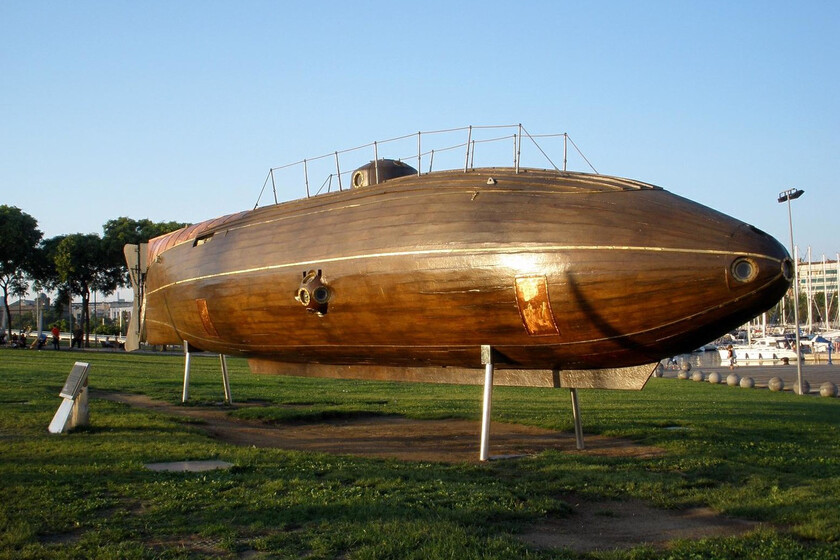
Spanish engineer Narcís Monturiol launched the Ictíneo II in 1864, creating what many consider the first true submarine to use a combustion engine.
Monturiol began his work in 1858 by building a prototype submarine that used manual propellers. After a series of successful dives and an eventual accident, he sought public funding to build a larger, safer vessel.
He established the La Navegación Submarina company in 1862 to develop the Ictíneo II, which measured 17 meters in length and could hold 20 people. While the Spanish government under Isabel II initially pressured for official aid, the funding never arrived. The Ictíneo II featured a double hull made of olive wood, oak reinforcements, and a copper layer. It utilized a unique engine that burned a mixture of zinc, manganese dioxide, and potassium chlorate to generate heat and oxygen.
This allowed the crew to remain underwater for up to 8 hours without surfacing for air. Although the vessel was designed to reach 500 meters, it reached depths of 50 meters during testing. Monturiol faced significant business challenges and a lack of interest from the Spanish Navy. He died in 1885 in poverty, and his original submarine parts were eventually sold as scrap metal.
Modern recognition of his work has grown since then, with a replica of his first submarine remaining on display in Barcelona for decades. In 2013, a local company completed the Ictineu 3, a modern submersible that continues the legacy of Monturiol's original designs.
Selected and summarized by local AI How we work