Human Evolution: Growth Spurt Happened Later Than Thought
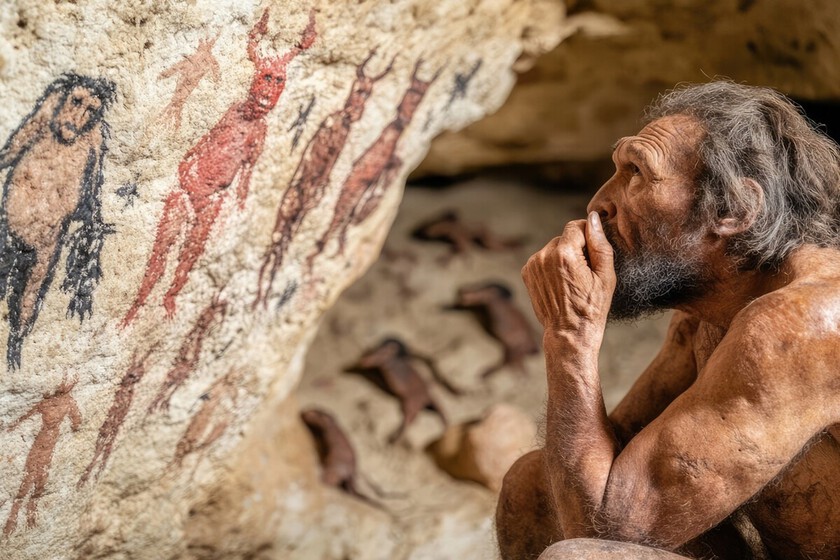
Researchers in Spain analyzed 386 hominin specimens from 21 different species and determined that the dramatic increase in body size traditionally associated with the emergence of the Homo genus did not occur in early humans like Homo habilis. For decades, paleoanthropologists believed that a significant growth spurt defined the beginning of the Homo genus, separating it from earlier hominins like australopithecines. This new study challenges that idea, suggesting a more complex and gradual evolutionary process.
The team used advanced statistical tools to account for factors like evolutionary relationships, variation within species, and uncertainties in the fossil record. Their analysis indicates that the substantial increase in body mass happened later in the Homo lineage, after Homo habilis.
Understanding body size is crucial for reconstructing human evolution, but researchers caution against simplistic "cause and effect" narratives. The study emphasizes that evolution operates through long-term selective pressures rather than sudden changes. Future research will likely focus on identifying the specific environmental factors that drove the increase in size in later Homo species.
Surfaced by the Discovery lens — one of the vital signs ovr.news reads.
How we evaluated this
AI summary
read the original for the full story — Read on xataka.com . How we work →