Scientists and fishers collaborate to protect endangered marine species

Headline and summary by local AI
Scientists and fishers across several countries are working together to implement conservation measures that protect marine life from accidental capture in fishing gear.
In Argentina, scientists and sport fishers collaborated to protect the guitarfish, a unique species in the South Atlantic that faces a critical risk of extinction. Their joint efforts resulted in changing the regulations for one of the most important fishing tournaments in South America to exclude the species from competition.
In Peru, researchers are testing acoustic devices called pingers to prevent whales from becoming entangled in nets. A study by the Universidad Científica del Sur and the organization Prodelphinus found that these devices, which emit sounds to deter cetaceans, reduced net entanglements by 52.9 percent on four artisanal vessels in Piura and Tumbes. Scientists note that while these results are encouraging, more research is needed to test the technology in different ecosystems.
In the same region, researchers are using satellite tracking to monitor albatrosses that migrate from New Zealand to the coasts of Peru and Chile to find ways to stop them from getting caught on longline hooks. Other conservation efforts involve physical deterrents and community management. In England, researchers and fishers tested buoys with moving eyes and kites shaped like birds of prey, which significantly lowered the risk of diving seabirds getting caught in nets.
In Mexico, the Kab Xok (Mundo Tiburón) cooperative on Isla Mujeres reduced shark fishing by 80 percent since 2022. This group is now pushing to create Mexico's first shark and ray sanctuary managed by fishers to protect the Mesoamerican Reef System.
Selected and summarized by local AI How we work
More in Recovery

Researchers save tens of thousands of orchids from Indian road construction
news.mongabay.com · 10 Nov 2026
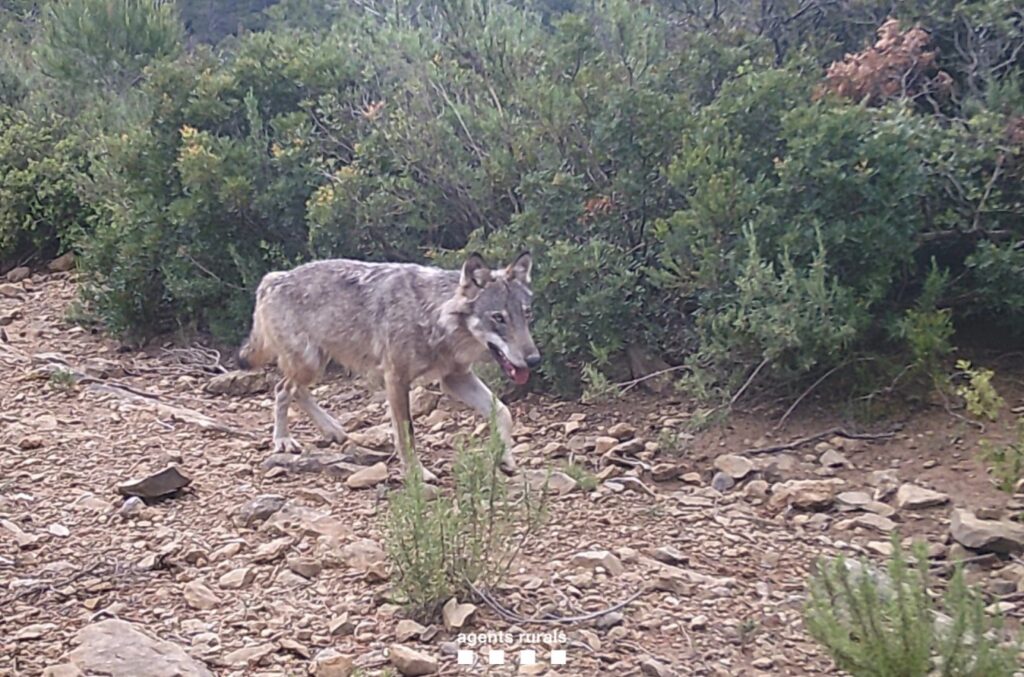
Wolf pack births solidify species return to Catalonia after century
vilaweb.cat · 4 Nov 2026

Ethiopia surpasses 56 billion tree seedlings in national restoration project
fanamc.com · 11 Nov 2026