Louis Kahn Sought to Blend City and Home
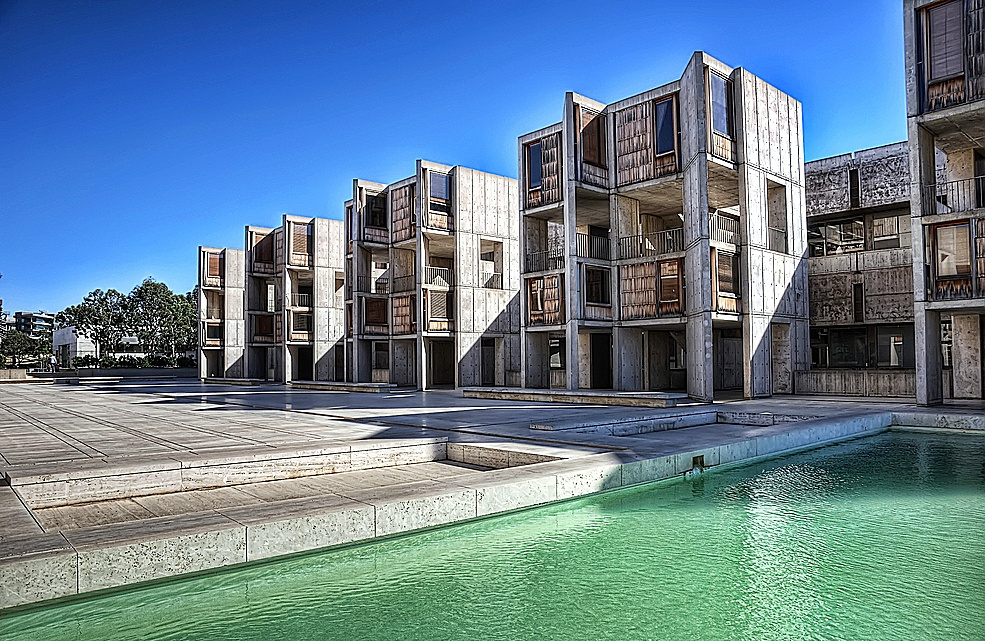
Louis Isadore Kahn, a 20th-century architect born in Estonia and later working in the United States, aimed to reconnect public spaces with private homes. Kahn believed great buildings should emerge from the immeasurable, balancing measurable design with an ultimately profound result. He began his career in the 1950s, teaching at Yale University and studying in Rome, which helped him formulate a design philosophy blending academic tradition with modern techniques.
Kahn’s early work focused on public housing projects following the 1929 crash, and he later became known for institutional buildings like the Salk Laboratories and the Kimbell Art Museum. He also designed private residences, such as the Esherick and Fisher houses, which explored spatial arrangements mirroring those in his public works.
In 1944, Kahn advocated for urban planning that treated the city as a house and vice versa, integrating public and private spheres. His legacy continues to influence architects today through his emphasis on order, material quality, and a connection to architectural history.
Surfaced by the Discovery lens — one of the vital signs ovr.news reads.
How we evaluated this
AI summary
read the original for the full story — Read on expansion.com . How we work →