Renault Powers Factory with Olive Pits in Morocco
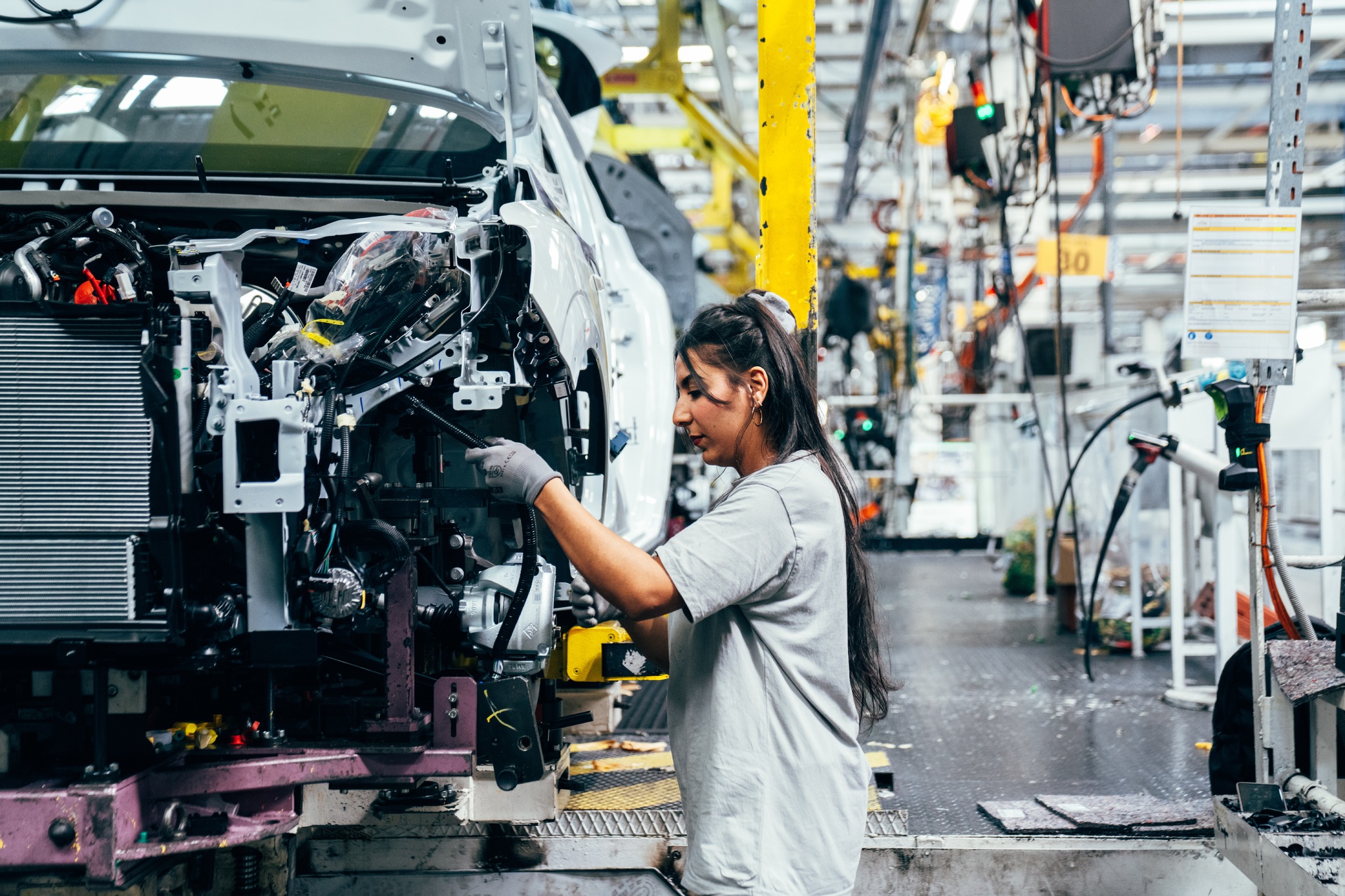
Renault utilizes biomass from olive pits and used pallets to generate thermal energy at its Tangier, Morocco plant. The French automaker is actively reducing the environmental impact of its operations and aims to be carbon neutral in Europe by 2024 and globally by 2050.
The Tangier plant, established in 2012, was designed as a low-emission facility incorporating innovative technologies. Currently, 90% of the plant’s energy needs are met with renewable sources, combining biomass with wind-generated electricity.
Veolia-developed biomass boilers process 14,000 tons of waste annually, specifically for the paint shop. Renault prioritizes local sourcing of waste, 15% from olive pits, 35% from forest wood, and 50% from used pallets, and even donates resulting ash as natural fertilizer to local cooperatives. The Tangier plant, which manufactures Dacia Sandero, Jogger, and Renault Express vehicles, avoids emitting 100,000 tons of CO2 yearly and has reduced energy consumption per vehicle by 39% since 2021.
Surfaced by the Solutions lens — one of the vital signs ovr.news reads.
How we evaluated this
AI summary
read the original for the full story — Read on expansion.com . How we work →