Ancient mastodon tooth discovered in California
Summary and headline written by AI from the source article. How we work
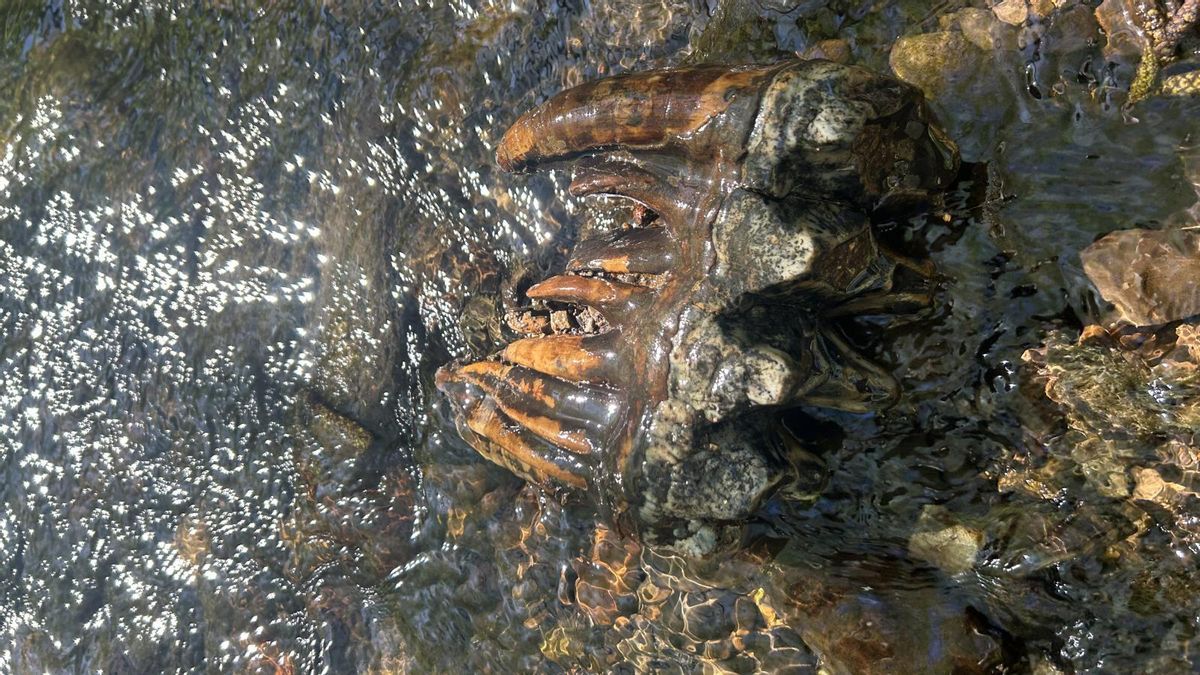
Paleontologists working in California discovered a 10,000-year-old mastodon tooth while improving habitat for the northern red-legged frog.
The team initially mistook the fossil for a strangely shaped rock while working on a project for the Midpen Regional Open Space District. Further examination revealed it to be a complete molar from a Pacific mastodon, a species that lived in areas now including California, Oregon, and parts of Mexico.
Researchers believe the mastodon used its trunk to pull leaves and branches from trees to eat. The tooth is exceptionally well-preserved and considered the most complete mastodon molar found in the region. The Midpen Regional Open Space District donated the fossil to Stanford University’s Doerr School of Sustainability. Scientists at Stanford plan to use carbon dating to pinpoint the tooth’s age and study it to learn more about the mastodon’s life and the ecosystem it inhabited.
Understanding these ancient animals may help with current conservation efforts. The Pacific mastodon is a recently recognized species, distinguishable from the American mastodon by its narrower teeth and thicker leg bones.


/https://tf-cmsv2-smithsonianmag-media.s3.amazonaws.com/filer_public/07/c7/07c76340-2db9-4c7c-a8d4-732053b0e7e0/sarcophilus_harrisii_taranna.jpeg)