Madrid’s Tailors are Often Migrants
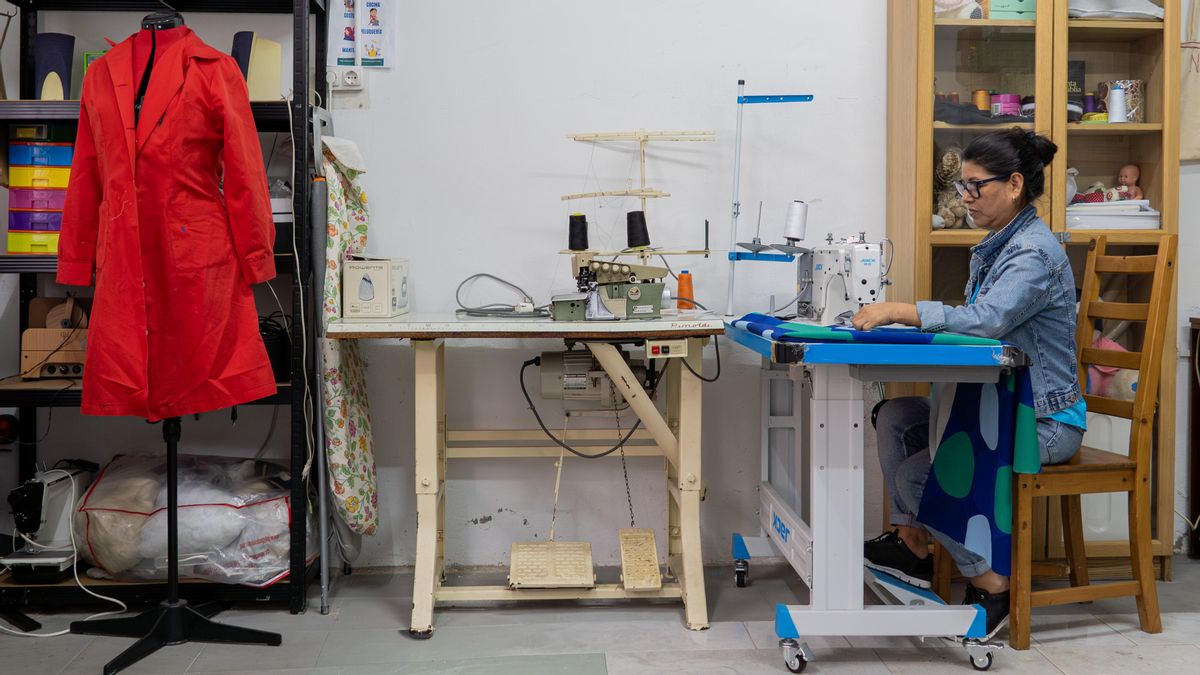
Why this is here: More than 23,000 people currently work as self-employed tailors in Spain, representing almost one-fifth of all workers in the sector.
In Madrid’s neighborhoods, migrant workers sustain the tailoring trade, balancing self-employment with precarious conditions and a lack of successors. Small workshops and alteration shops depend on the skills of people who have moved to Spain. The textile sector has lost over 100,000 jobs in the last two decades and currently sits at historic lows, according to the Ministry of Inclusion.
Adel Fahmeh, a Syrian tailor with six decades of experience, works from his home in Vallecas. Angélica Marlene Silvais, originally from Bolivia, teaches sewing and patternmaking to neighbors.
Mariya Kulikovska, from Ukraine, opens her workshop daily at six in the morning. As of April 2026, foreign-born workers reached a record 3,248,247 in Spain, with manufacturing—including textiles—seeing a 9.2% increase in employment.
Despite this overall increase, the textile industry itself has shrunk, currently employing 124,314 people, down from over 230,000 in 2005. Self-employment is growing within the sector, but many face unstable income and difficulty hiring. The future of these workshops remains uncertain as the fast fashion industry impacts demand and finding apprentices proves difficult.
Surfaced by the Belonging lens — one of the vital signs ovr.news reads.
How we evaluated this
AI summary
read the original for the full story — Read on eldiario.es . How we work →