María the jewess: the alchemist who gave us “bain-Marie”
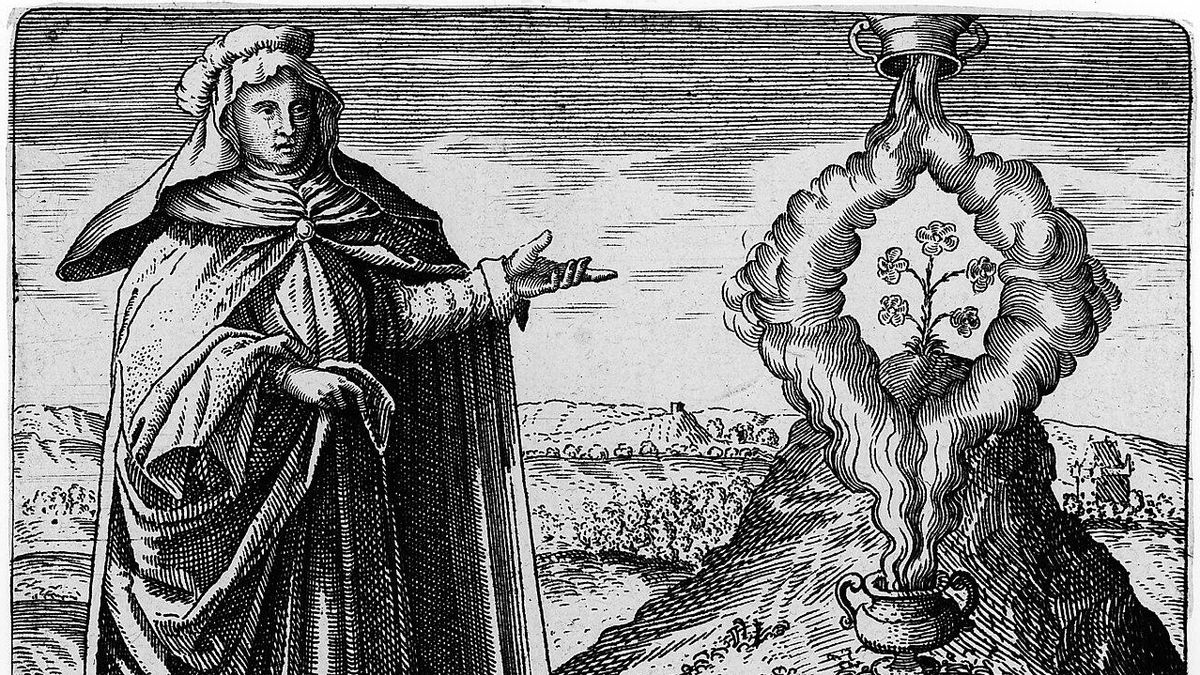
Summary and headline written by AI from the source article. How we work
In the ancient city of Alexandria, María the Jewess, considered the first alchemist in history, developed a heating technique now known as “bain-marie” or water bath between the first and third centuries.
Alexandria was a major intellectual center at the time, and women sometimes held positions of authority in science and politics, examples include Cleopatra, Pafnucia the Virgin, and Teosebia.
Historians believe María lived as early as the first century, though some place her later, in the eighth century, as a teacher of Democritus. Zósimo, a Greek writer, preserved information about María’s work in his compilation of early alchemical texts, identifying her as one of the most important figures from antiquity. She provided detailed descriptions of practical applications for metal, glass, and clay equipment used in cooking and distillation.
María is credited with inventing the tribikos, a copper alembic with three receivers for purifying substances through distillation, though this has not been definitively proven. However, María is best known for the balneum Mariae, the technique that became “bain-marie,” a method of gentle, indirect heating by immersing a container in hot water. While some researchers suggest earlier mentions by Hippocrates or Theophrastus, María’s name remains linked to this widely used cooking method.