Spanish Bridge Features Ram’s Head Sculptures
Why this is here: The bridge’s sculptural details—carved ram’s heads—reference a strong pastoral tradition that has defined the region since ancient times.
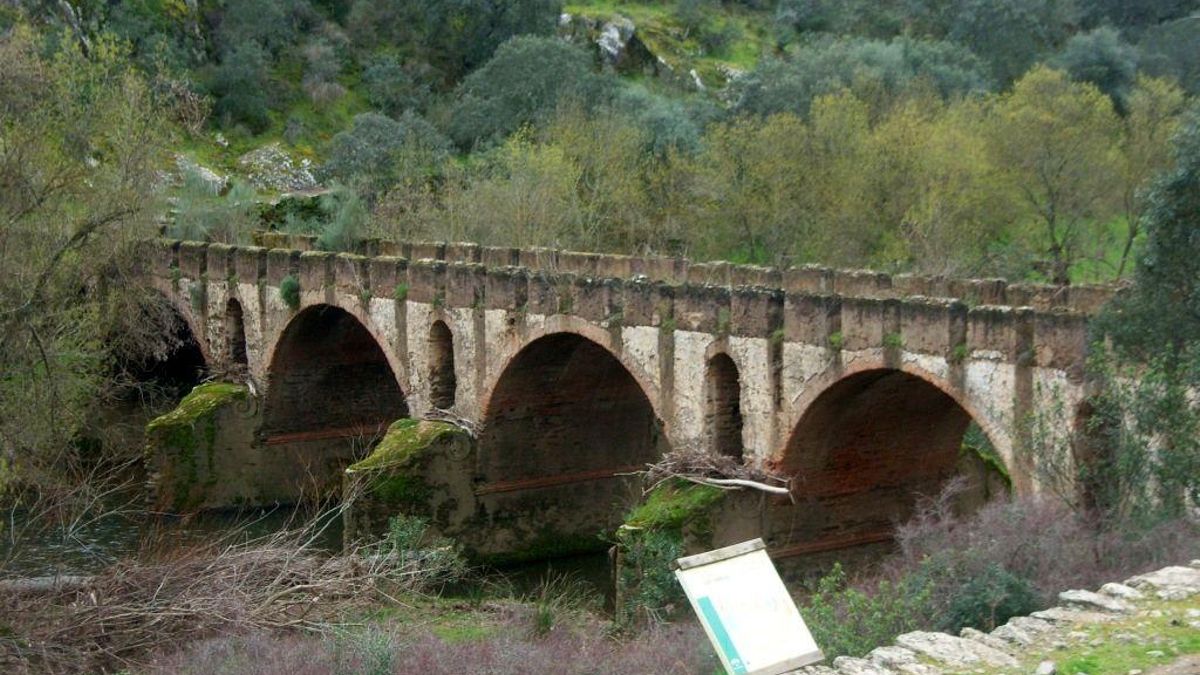
In Huelva, Spain, the “Cabriles” bridge—built in 1899—gets its name from sculpted ram’s heads adorning the structure’s spandrels. The 318-meter railway bridge stands in the Sierra de Aracena and Picos de Aroche natural park. It once carried Juana I and Charles V across its 25 arches.
The bridge’s five arches integrate into the valley, creating a timeless scene for hikers. The stone carvings honor the region’s long history of sheep herding and pastoral traditions. Black alders, ash trees, willows, and poplars line the riverbanks, forming a diverse, humid ecosystem.
The bridge, dating from the late 15th to 16th centuries, originally connected Encinasola to a border region. While well-preserved, the narrow access road suggests its former strategic importance has diminished.
Researchers have not fully documented the extent to which similar sculptural details appear on other historical bridges in the region. The work of preserving this piece of history and natural beauty continues.
Surfaced by the Recovery lens — one of the vital signs ovr.news reads.
How we evaluated this
AI summary
read the original for the full story — Read on eldiario.es . How we work →