Stone availability determined early human settlements in Arabia

Headline and summary by local AI
A scientific team led by Jeffrey I. Rose from the University of Algarve in Portugal completed a 1,500 kilometer expedition across the Arabian desert to study prehistoric settlement patterns.
The researchers sought to understand why early human groups settled on the edges of the peninsula rather than in interior regions that also contained water sources. The team visited 125 sites across the dunes to examine geological compositions and search for material evidence like stone tools.
They analyzed sediments from dry lake beds and identified fossilized shells and ostrich eggshells to reconstruct past environmental conditions. By combining this field data with maps of ancient riverbeds, the researchers compared their findings against 362 already cataloged prehistoric sites. The study found that while water was a primary necessity for survival, it was not the only factor for permanent habitation.
The team estimated that 57% of the areas with easy access to water lacked the specific types of rock needed to manufacture essential tools. Because these interior valleys lacked the raw materials for hunting and defense equipment, early humans avoided them in favor of peripheral areas where both water and stone were available. These findings suggest that theoretical models of human migration may overstate habitable land if they only account for climate and water.
The researchers conclude that the availability of stone dictated the movement and camp locations of early humans moving out of Africa. To establish a permanent settlement, these groups required a combination of immediate physical survival provided by water and the industrial materials required for daily life.
Selected and summarized by local AI How we work
More in Discovery
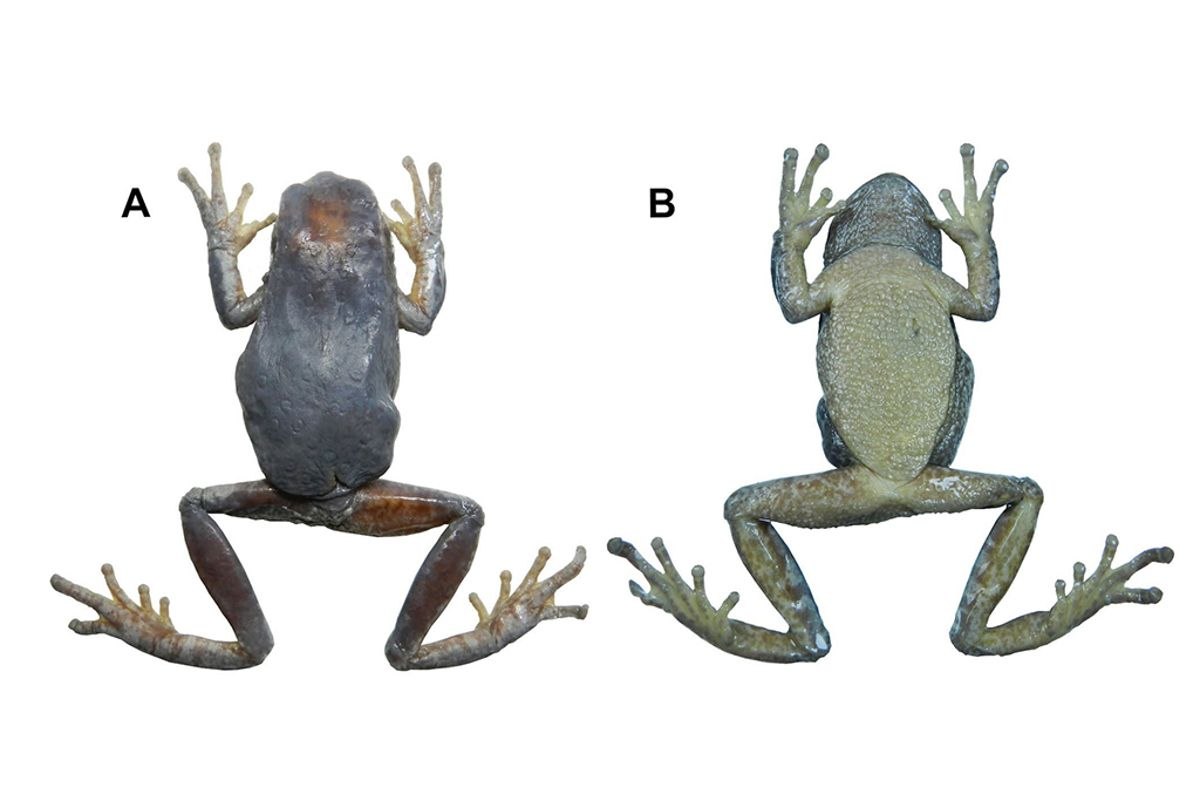
Scientists discover new marsupial frog species in Peru
elnacional.com · 10 Nov 2026

Curator challenges limited reputation of Impressionist painter Mary Cassatt
theartnewspaper.com · 3 Nov 2026

Metropolitan Museum of Art reevaluates Lee Krasner alongside Jackson Pollock
theartnewspaper.com · 9 Nov 2026