Clara Schumann revolutionized modern piano recitals despite historical marginalization
Headline and summary by local AI
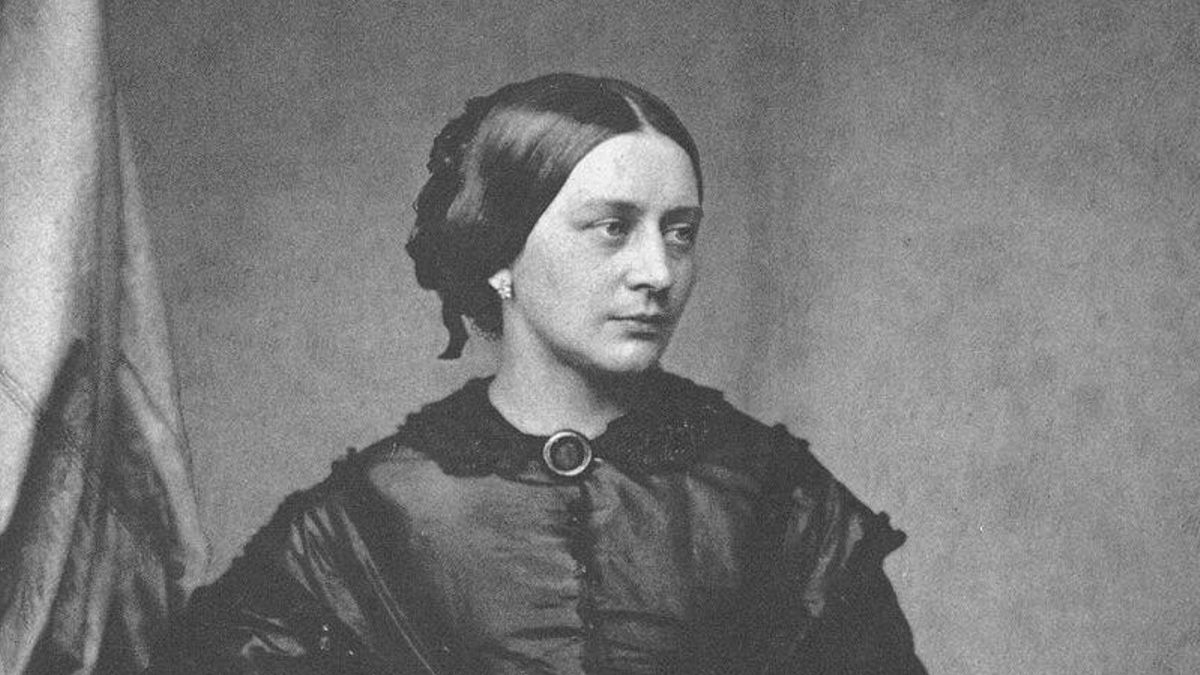
Clara Schumann, a prominent 19th-century pianist and composer, established the foundations of the modern piano recital through her technical mastery and innovative performance habits.
Although history often reduced her role to that of Robert Schumann's wife and a confidante to Johannes Brahms, she maintained a prolific career as a performer and educator during a period when women faced significant social limitations. Born in Leipzig in 1819, Schumann began her professional career at age 9.
By the age of 18, she earned acclaim from cultural figures such as Johann Wolfgang von Goethe and Frédéric Chopin. She famously fought a legal battle to marry Robert Schumann against her father's wishes, eventually winning the right to marry in 1840. Despite her husband's initial request that she stop performing, she refused to abandon her art, becoming the primary breadwinner for their family and performing 139 recitals over 14 years.
Following her husband's death in 1856, Schumann continued her concert schedule while managing her children's education. She later became the first piano professor in Frankfurt in 1878. Her lasting legacy includes the introduction of modern concert standards, such as performing from memory, creating balanced and austere programs, and removing decorative salon flourishes from performances.
Selected and summarized by local AI How we work


