Spanish Scientists Propose Refilling Aral Sea to Curb Co₂ Emissions
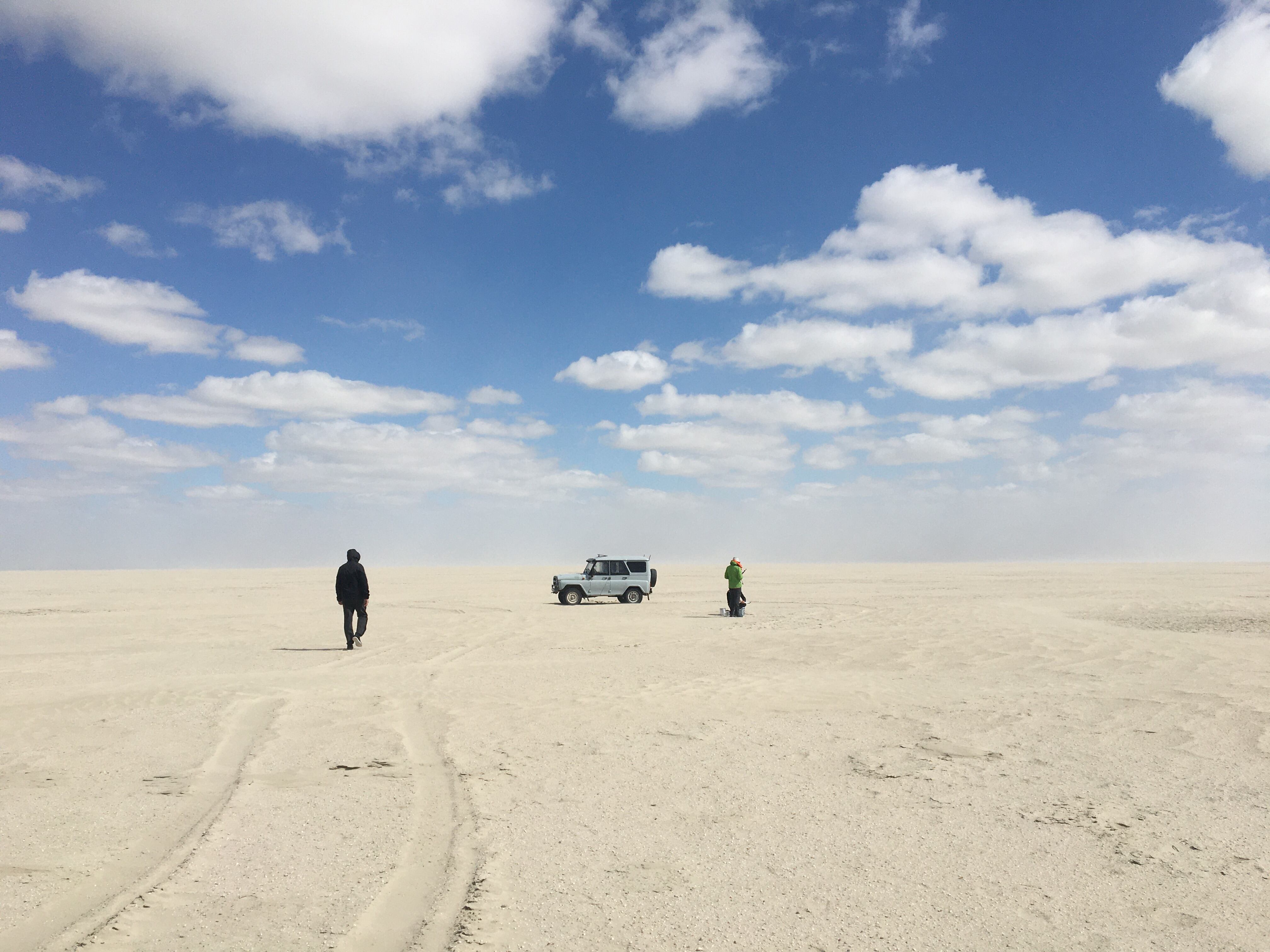
Researchers from Spain are proposing refilling the Aral Sea, between Kazakhstan and Uzbekistan, to prevent the release of millions of tons of carbon dioxide. The Aral Sea, once the fourth largest lake in the world, began shrinking in the 1960s due to diverted water used for cotton cultivation during the Soviet era.
A new study published in Science reveals the now-dry lakebed is a substantial source of CO₂, having released an estimated 748 million tons since 1960, equivalent to a year’s emissions from Spain, France, and Belgium combined. The team estimates an additional 605 million tons of CO₂ could still be released.
They suggest financing restoration through carbon credits, potentially worth between 3.1 and 15.8 billion euros, allowing companies to offset emissions by funding the project. The researchers found that current revegetation efforts are ineffective and that modernizing irrigation systems, currently wasting 90% of water, could restore around half of the lake’s former area for an estimated 8.5 billion euro investment. They hope to spark a discussion about leveraging market-based solutions for ecological restoration.
Surfaced by the Solutions lens — one of the vital signs ovr.news reads.
How we evaluated this
AI summary
read the original for the full story — Read on elpais.com . How we work →