Hesse’s Spiritual Journey Echoes in Counterculture
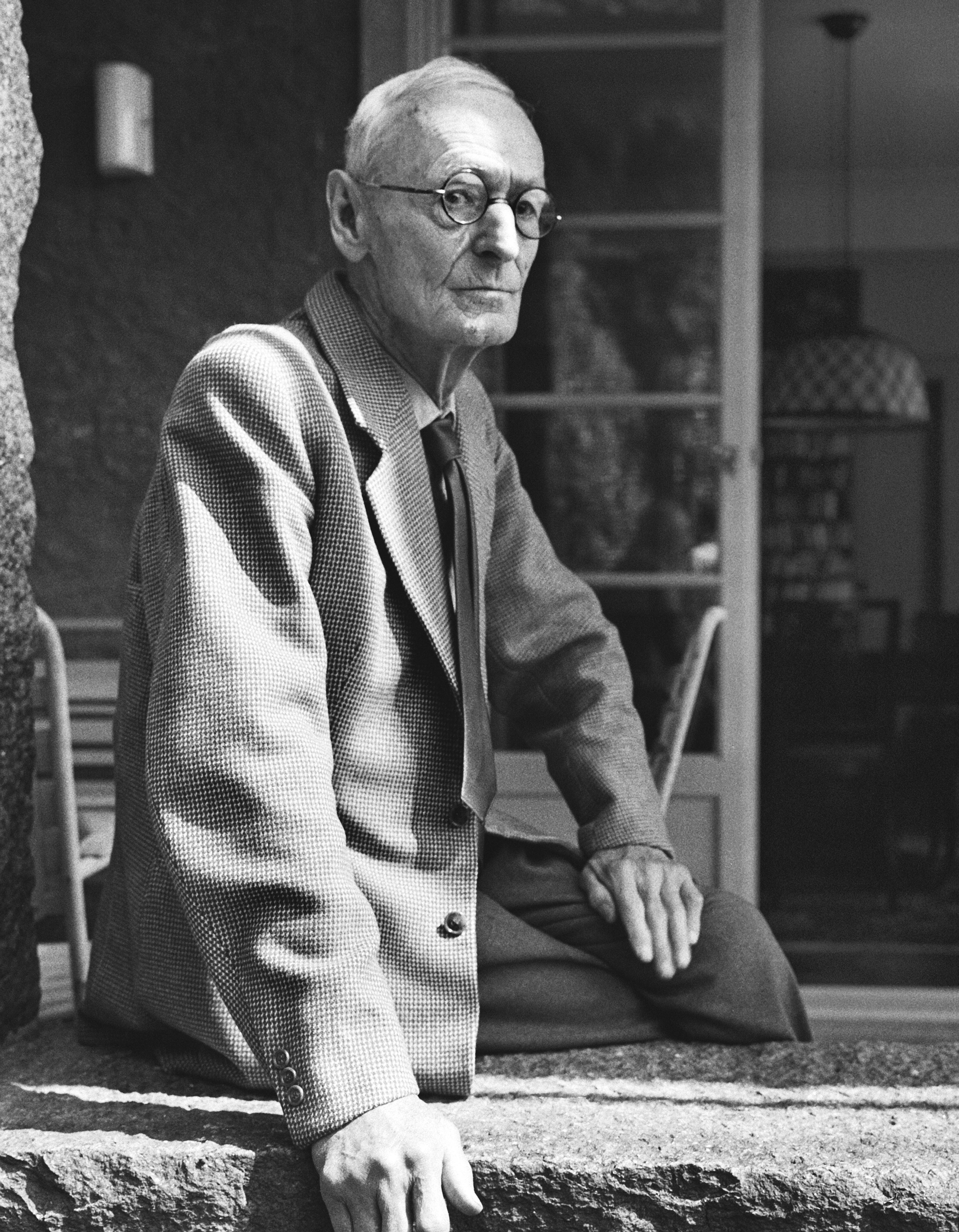
Why this is here: By 1964, philosopher Herbert Marcuse was lecturing at the University of San Diego, drawing crowds and inspiring Spanish intellectual José Luis Aranguren, who reportedly shared marijuana with students.
In California, Hermann Hesse confronted a surge of eastern gurus offering spiritual guidance. The German author, raised in a strict religious household, found early solace in nature as an escape from his family’s expectations. He attempted suicide and received psychiatric care before finding freedom through rebellion and, later, a trip to India.
His 1922 novel Siddhartha resonated with post-World War I youth seeking moral grounding. Around the 1960s, American university students rebelled against convention by reading Henry Miller’s Tropic of Cancer and protesting the Vietnam War. Simultaneously, a wave of hippies traveled from San Francisco to places like Mexico and Nepal, seeking enlightenment.
Many carried Hesse’s Siddhartha, finding its message—that inner peace resides in simple truths—more accessible than distant pilgrimage. Hesse himself became a spiritual guide, though his life was marked by personal hardship.
The article suggests a choice between Miller’s raw liberation and Hesse’s internal illumination remains relevant. The author’s search for meaning continues to inspire.
Surfaced by the Discovery lens — one of the vital signs ovr.news reads.
How we evaluated this
AI summary
read the original for the full story — Read on elpais.com . How we work →