Dental enamel links Homo erectus to Denisovans in Asia
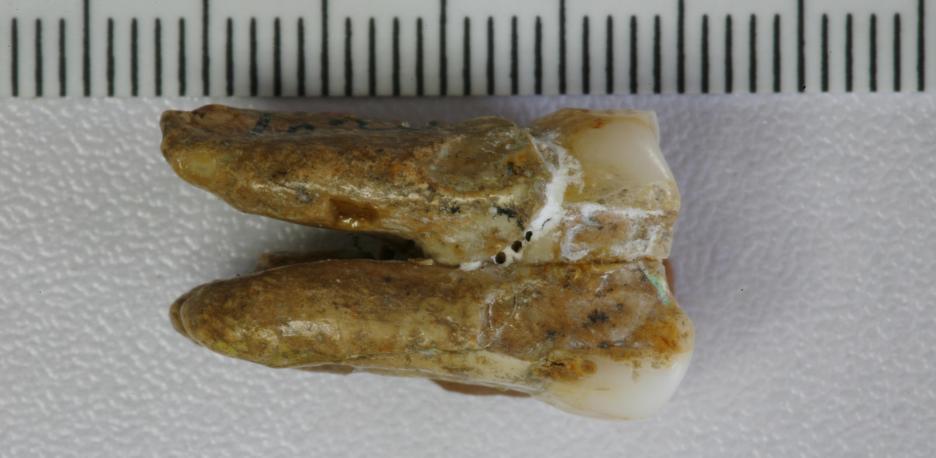
Why this is here: The researchers successfully determined the sex of all six Homo erectus specimens by analyzing the AMELY protein, which is exclusive to males, within their tooth enamel.
Researchers at the Institute of Vertebrate Paleontology and Paleoanthropology in China connected Homo erectus and Denisovans through genetic analysis. The team studied six teeth from three Chinese sites—Zhoukoudian, Hexian, and Sunjiadong—dating back at least 400,000 years. They used paleoproteomics, a non-invasive technique, to examine proteins within the tooth enamel.
The analysis revealed a genetic variant, AMBN-A253G, unique to Asian Homo erectus. Another variant, AMBN-M273V, previously found in Denisovans, also appeared in all six erectus samples and persists today in some Southeast Asian and Oceanic populations. Scientists hypothesize this suggests interbreeding between the two species, with the variant passing to modern humans via Denisovan DNA.
The team also determined the sex of five male and one female specimen using protein analysis. While this method bypasses the need for destructive DNA sampling, it cannot currently reveal the full extent of genetic exchange or the precise timeline of interactions. Further research will continue to refine our understanding of human evolution.
Surfaced by the Discovery lens — one of the vital signs ovr.news reads.
How we evaluated this
AI summary
read the original for the full story — Read on elmundo.es . How we work →