Ocean Census Finds Over 1,100 New Marine Species
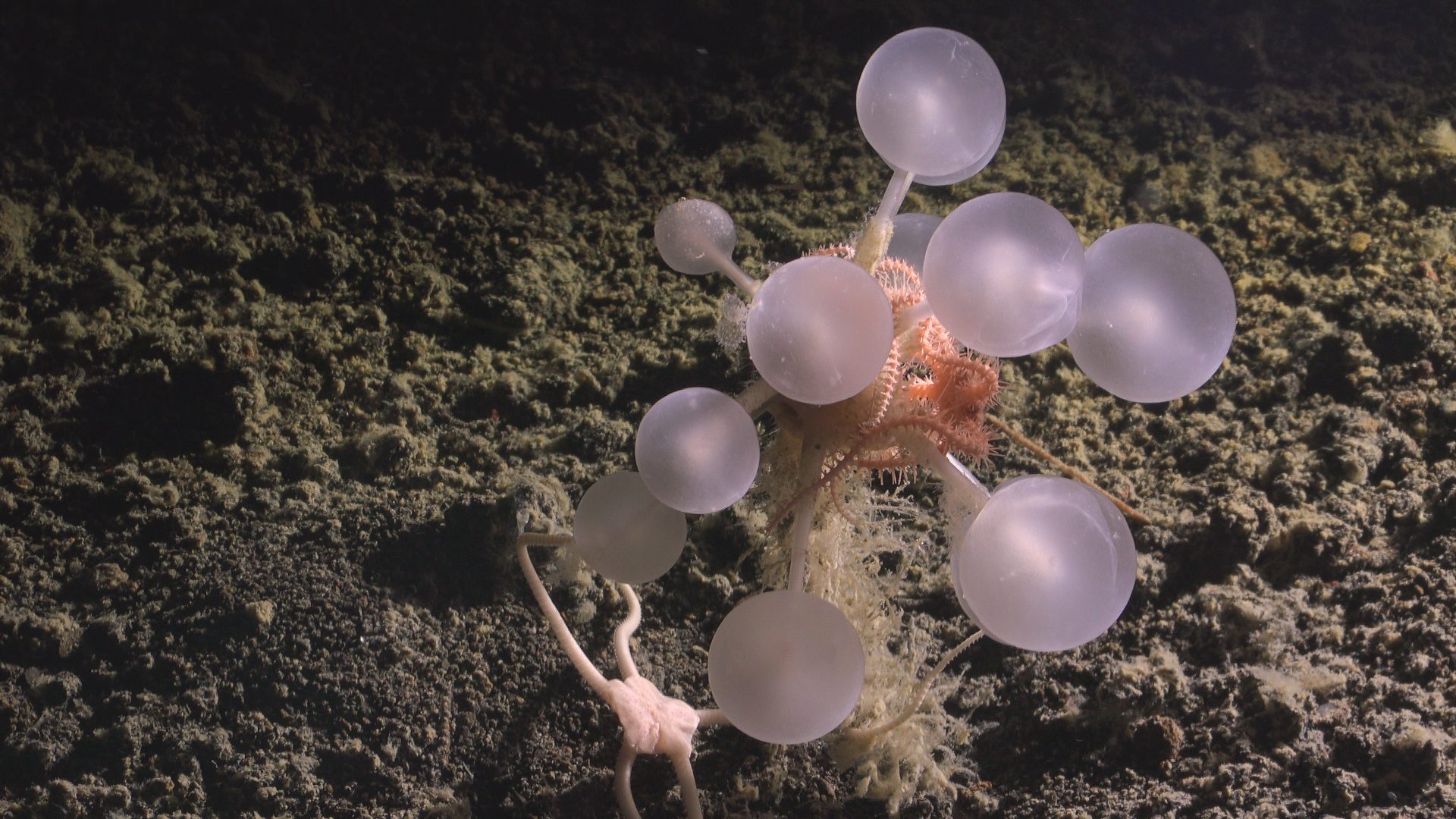
Why this is here: The team discovered 54% more new species than the annual average, documenting over 1,100 in just one year of expeditions.
Scientists collaborating with Ocean Census identified 1,121 new marine species in a single year, during 13 expeditions reaching depths of 6,575 meters. The international team—including researchers from Japan’s JAMSTEC, Australia’s CSIRO, and the U.S.-based Schmidt Ocean Institute—is working to accelerate the documentation of ocean life. This effort aims to provide policymakers with data needed to protect vulnerable ecosystems.
Among the discoveries are the “Ghost Shark” chimera off Australia, a “Crystal Castle” worm living within a glass sponge near Japan, and a “Death Ball” sponge that actively hunts crustaceans in the deep South Sandwich Islands. A new Mediterranean shrimp was also found near Marseille, France, showing discoveries still happen in well-studied areas.
Researchers note that, on average, it takes 13.5 years to formally describe a new species, leaving many at risk of extinction before they are known. Ocean Census is using a new digital platform, NOVA, to share data quickly and openly with a network of over 1,400 scientists in 85 countries. The project continues, striving to understand and safeguard ocean life.
Surfaced by the Thriving lens — one of the vital signs ovr.news reads.
How we evaluated this
AI summary
read the original for the full story — Read on efeverde.com . How we work →