EU Bans Destruction of Unsold Clothing to Boost Circular Economy
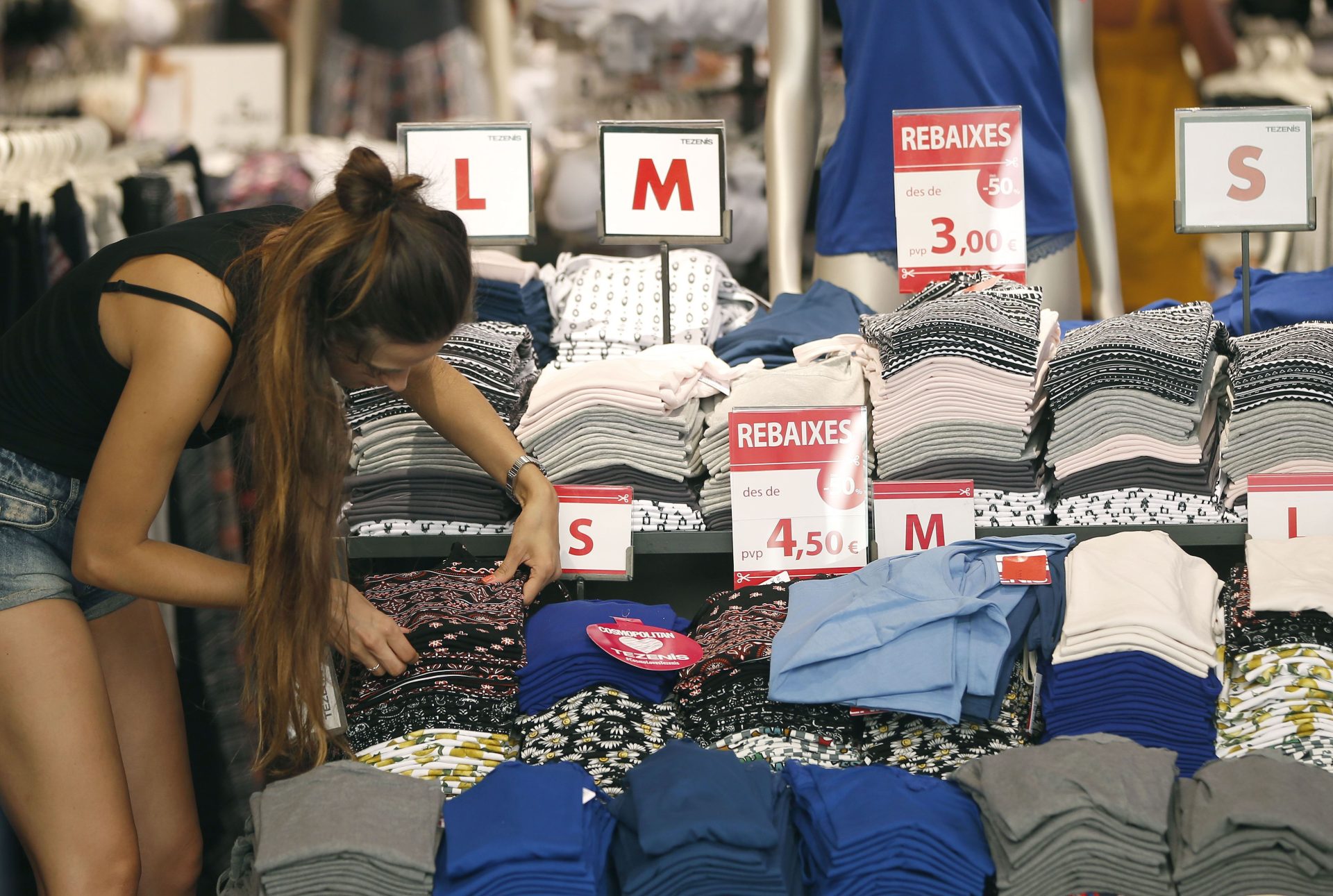
Large textile companies in the European Union can no longer destroy unsold clothing and footwear, a new law went into effect Sunday. The ban is part of the EU’s Sustainable Products Regulation (ESPR), which came into force in July 2024 and aims to improve product durability, repairability, and recyclability.
Companies must now report the volume of unsold products they discard and their final destination, though medium-sized businesses have a transition period until 2030. The European Commission estimates that between 4% and 9% of textiles are destroyed annually before use, generating around 5.6 million tons of CO2 emissions. However, the Spanish Association of Recovery of Social and Solidarity Economy (AERESS) argues the law doesn’t address the root cause, overproduction of low-quality “ultrafast fashion.” AERESS believes the rule will primarily change how companies manage surplus stock rather than production methods, but sees opportunities for social enterprises to repurpose the clothing and create jobs.
Surfaced by the Solutions lens — one of the vital signs ovr.news reads.
How we evaluated this
AI summary
read the original for the full story — Read on efeverde.com . How we work →