Seville’s Early Christians: Bishop Sabino and Lost Basilica
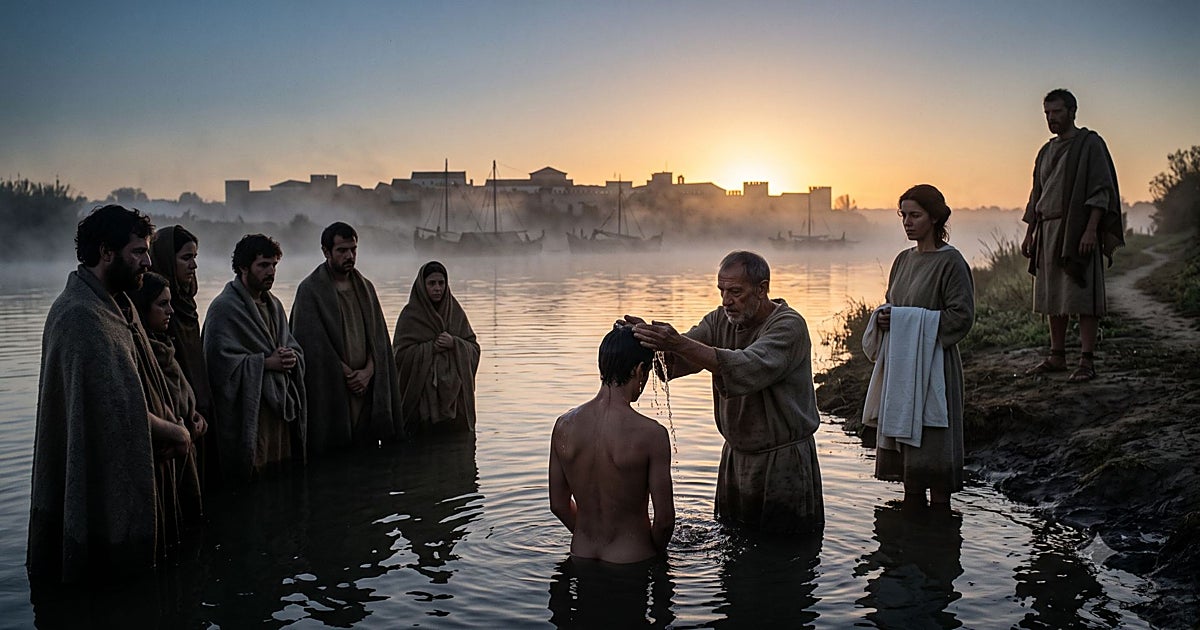
In the early 4th century, Sabino signed the acts of a council in Elvira (near Granada) as the Bishop of Hispalis, ancient Seville. This marks the beginning of a documented Christian presence in the city, a time when professing faith carried significant risk.
Before the 313 Edict of Milan granted religious freedom, and the 380 officialization under Emperor Theodosius, Christians practiced their faith clandestinely. Archaeological efforts to locate Seville’s earliest paleochristian basilicas have proven difficult, as the city has been continuously built upon for two millennia.
The article explores whether any apostles preached in the region, with some traditions linking Saint Paul and Saint James to the area, though historical evidence remains debated. The story of Justa and Rufina, two martyred potters, highlights the early persecution faced by Christians in Seville.
Sabino’s signature is the oldest surviving documentation of the Seville diocese. The location of the first major basilica remains unknown, with potential sites investigated in the Alcázar, Calle Mármoles, and near the El Salvador church. The search continues, aiming to uncover physical evidence of this formative period in Seville’s religious history.
Surfaced by the Discovery lens — one of the vital signs ovr.news reads.
How we evaluated this
AI summary
read the original for the full story — Read on abc.es . How we work →