Georgia roadworks reveal 10th-century pottery workshop
Summary and headline written by AI from the source article. How we work
Roadworkers in Tbilisi, Georgia uncovered a 10th- to 11th-century pottery workshop while renovating Rustaveli Avenue.
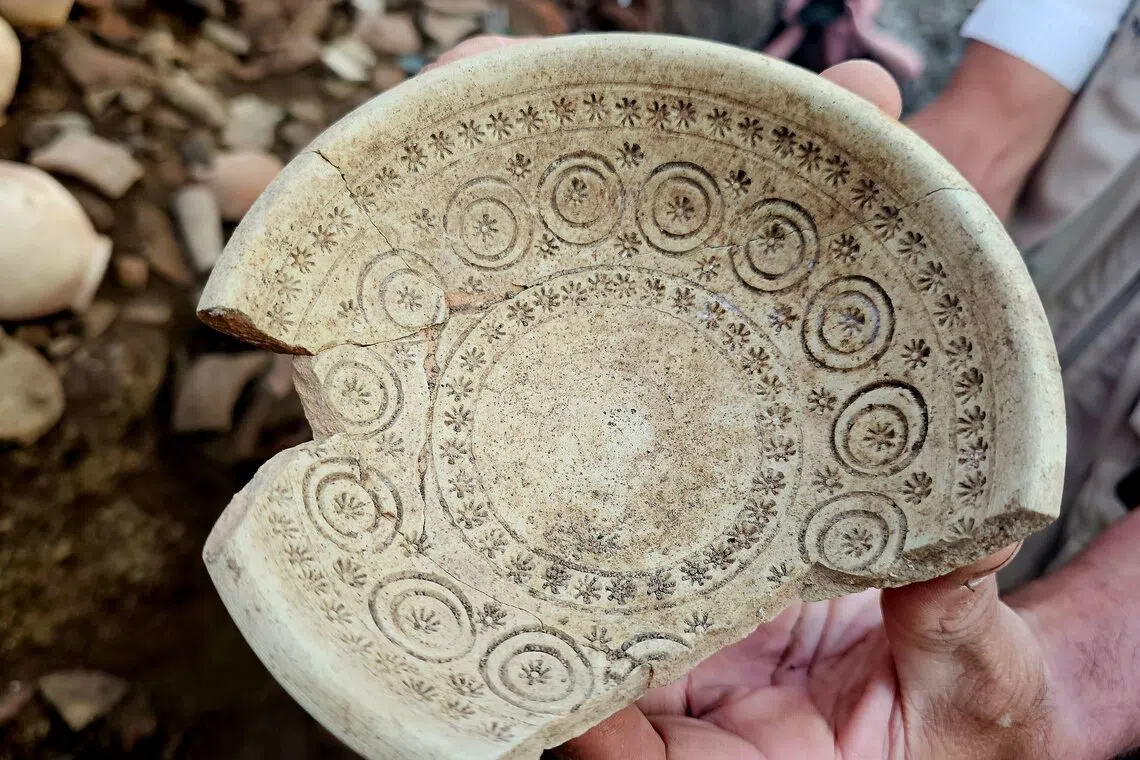
The discovery included a cache of ceramic fragments dating to a period when Tbilisi functioned as a multicultural economic hub and stop on the Silk Road. Archaeologists believe finding such workshops is logical given Tbilisi’s long history, which dates back to the 4th century. The renovation of Rustaveli Avenue began this summer with the goal of improving pedestrian crossings and signage.
While the work has caused disruption for residents, it also provided an opportunity to examine the area’s archaeological potential. David Lordkipanidze, director of the National Museum, confirmed the findings will undergo 3D scanning and further review at the museum. Tbilisi experienced periods of rule by the Umayyad caliphate, the Abbasid caliphate, and the Seljuk Empire, contributing to its diverse cultural heritage.
City officials are currently working to complete the avenue’s modernization by November while also addressing concerns about the presence of asbestos unearthed during the project.