Philippines looks to Pakistan to manage rapid solar rooftop growth
Headline and summary by local AI
The Philippines is seeing a surge in rooftop solar adoption as high electricity costs drive consumers toward independent power generation.
Francis Juan, chair of the Energy Regulatory Commission (ERC), noted that high retail rates make solar investments attractive, with potential savings of P13 to P14 per kilowatt-hour. While the current number of registered users is small compared to the country's 30 million households, net-metering registrations tripled between August 2025 and June 2026.
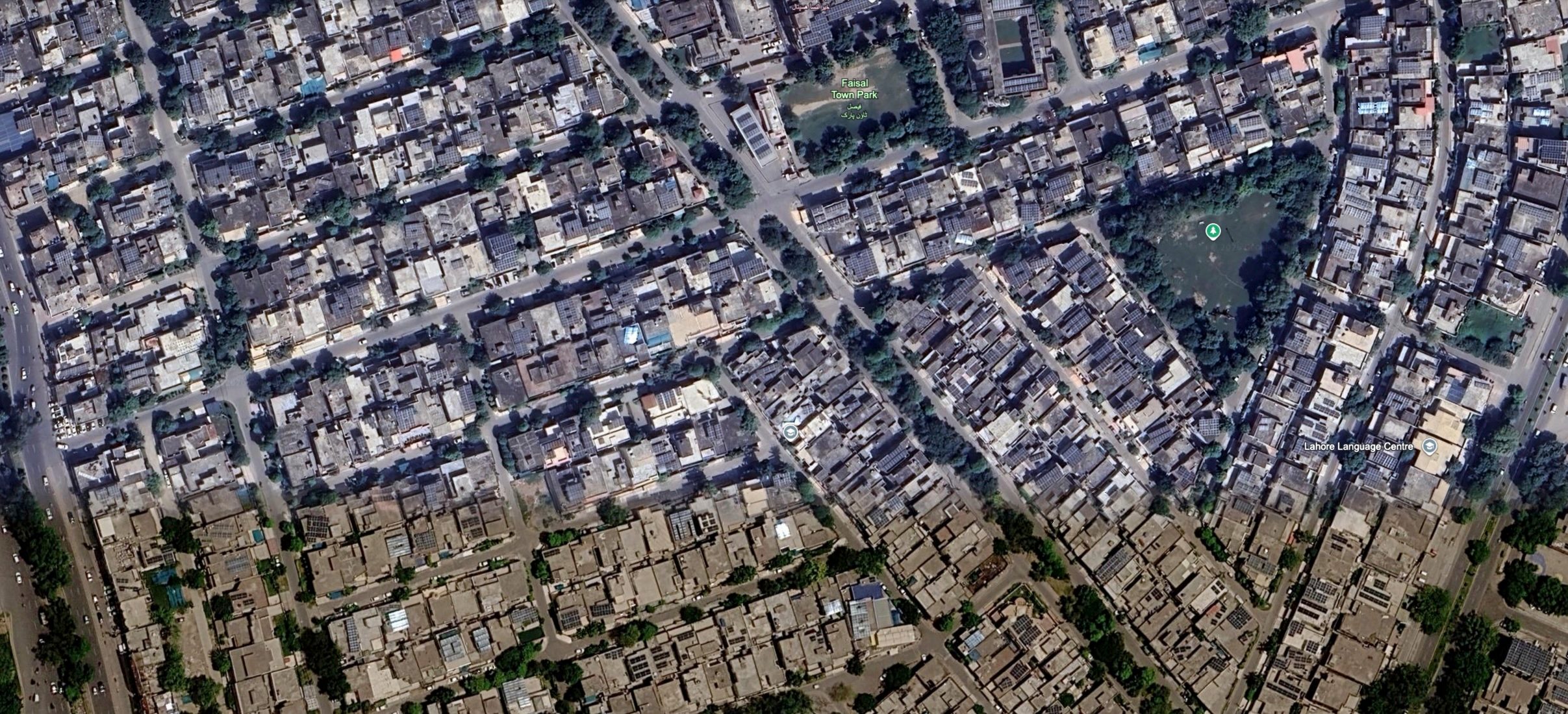
Pakistan serves as a model for how this transition unfolds. In Pakistan, electricity prices rose 155% from 2021 to 2024 while solar module prices fell by half. This economic shift, combined with frequent power outages, led to a bottom-up boom where distributed solar reached nearly 38 gigawatts by June 2025. However, this rapid growth created a challenge for the grid, as fewer customers purchased electricity from the utility, making it harder to cover fixed costs for large power plants.
To manage these disruptions, Pakistan adjusted its rules in February 2026. The government began charging a lower rate for excess solar sent back to the grid while maintaining fixed charges for households to ensure they still contribute to grid maintenance. Philippine regulators are preparing for similar pressures. The ERC plans to update the Philippine Distribution Code to establish interconnection standards and adjust rate-setting rules to prevent solar growth from disrupting the stability of the national power system.
Selected and summarized by local AI How we work


