Malaysian students show improvement in international assessment
Summary and headline written by AI from the source article. How we work
Rusmini reported that Malaysian students improved on the Program for International Student Assessment (PISA) 2025, despite global challenges in learning recovery following the pandemic.
The Organisation for Economic Co-operation and Development (OECD) conducts PISA every three years to measure the skills in reading, mathematics, and science of 15-year-old students and assess their ability to apply knowledge to practical problems. Scores in scientific literacy increased from 416 in 2022 to 419, and reading scores rose from 388 to 393 in Malaysia.
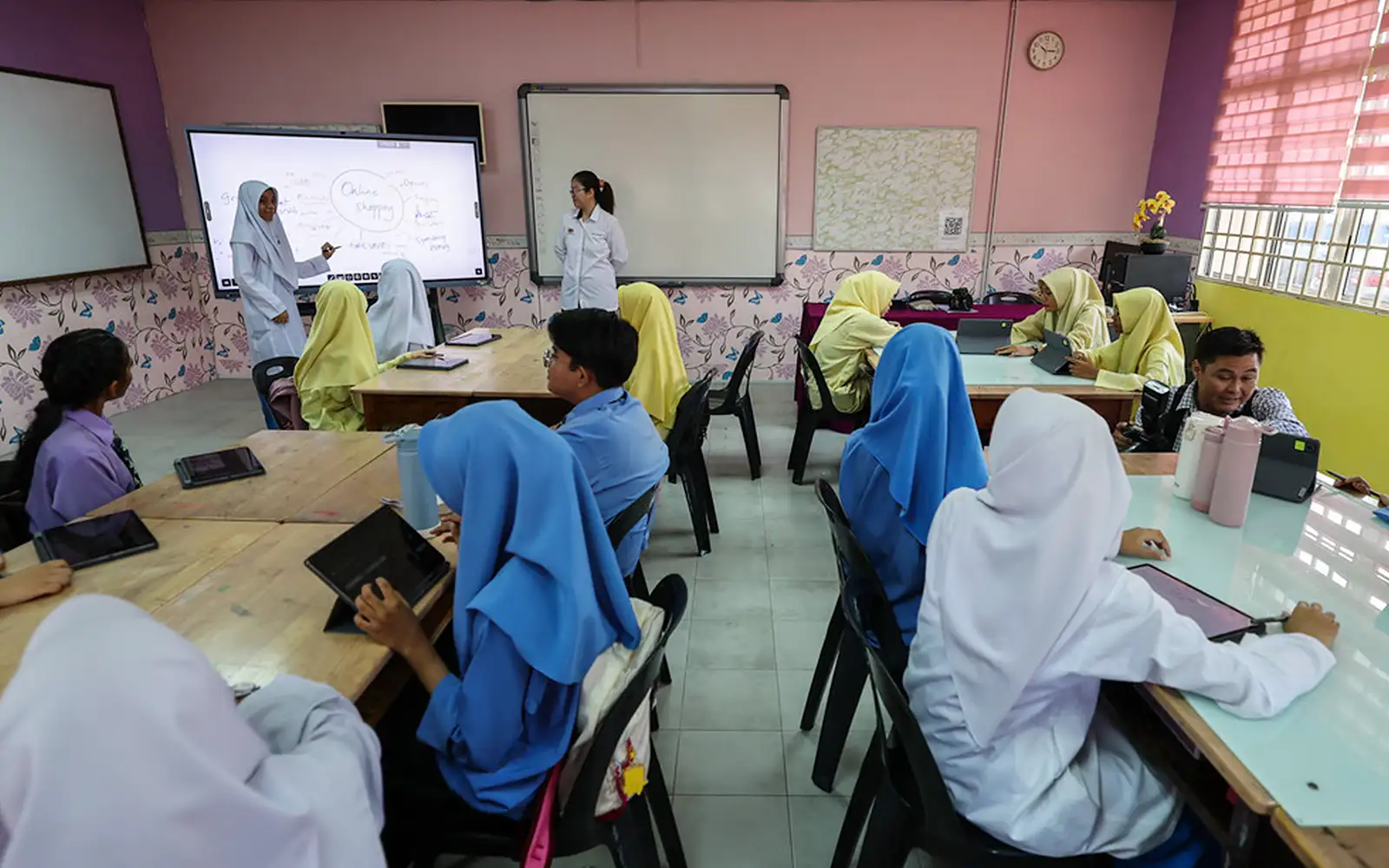
Students also performed above expectations in computational problem-solving, achieving a score of 484, only 16 points below the OECD average. Rusmini emphasized the importance of Malaysian children becoming creators and problem-solvers, not just technology users, in a world increasingly driven by technology and artificial intelligence. Malaysia’s students demonstrated strong attitudes towards learning, ranking highest in willingness to seek help and third highest in perseverance, alongside strong teacher support.
Furthermore, the achievement gap between schools in Malaysia is smaller than the international average, and gender gaps in reading, mathematics, and science are also smaller than the OECD average. While math scores decreased from 409 to 397, the Ministry of Education is addressing this through the Malaysia Education Transformation Plan 2026-2035, focusing on foundational skills and teacher competency.