Filipino Artisans Face Rising Costs
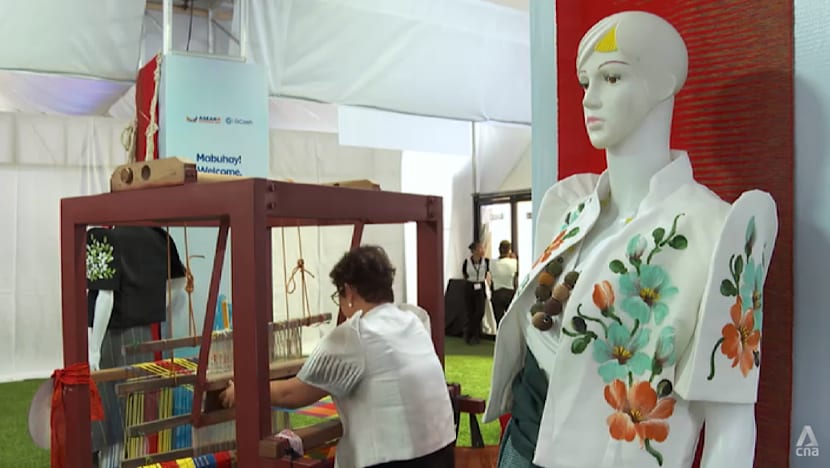
Why this is here: A traditional barong tagalog can cost between $500 and $3,000, reflecting the intensive labor and specialized materials required for its creation.
In the Philippines, fashion designer Francis Libiran recently crafted garments for the ASEAN leaders’ summit in Cebu, incorporating textiles from the Yakan community and intricate pineapple fiber embroidery. Libiran spent over two months collaborating with artisan communities to complete the formal wear, which included a barong tagalog and Filipiniana dress. These traditional pieces can cost between $500 and $3,000 depending on the detail.
The Philippine weaving sector, supporting many small businesses, now contends with increased fuel prices and supply chain issues. Logistical challenges within the archipelago of over 7,600 islands significantly raise the cost of both materials and transport—Libiran estimates expenses have increased by roughly 30 percent.
Jorelyn Paculba Concepcion leads “Hinablon sa Cebu”, a program training women in traditional weaving. While established locally, expanding beyond the Philippines proves difficult.
The initiative also works to document weaving techniques before they are lost. Despite these hurdles, Filipino designs are gaining international attention, and a government mandate requires civil servants to wear traditional attire on Mondays.
Surfaced by the Discovery lens — one of the vital signs ovr.news reads.
How we evaluated this
AI summary
read the original for the full story — Read on channelnewsasia.com . How we work →