Europe’s Heatwaves: Lessons From Singapore’s Cooling Strategies
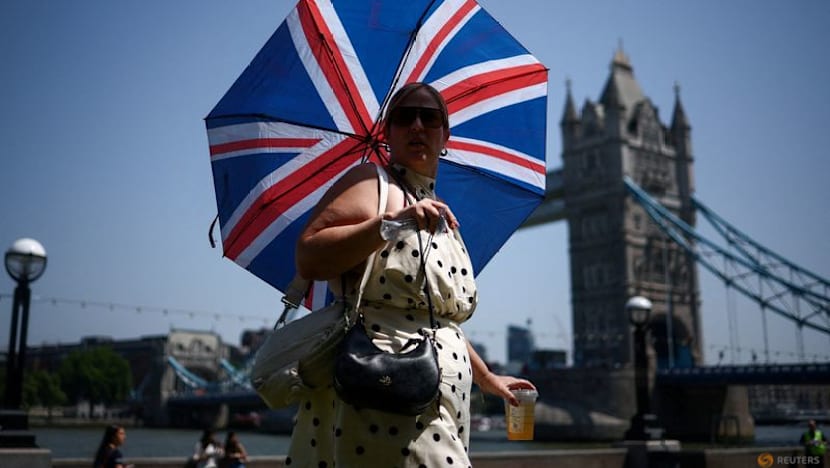
Climate scientist Winston Chow argues European cities grappling with increasingly frequent heatwaves should examine Singapore’s holistic approach to managing heat, rather than simply adopting widespread air-conditioning. Singapore prioritized cooling to enable productivity in its tropical climate, a history that informs current debates in Europe. However, simply replicating Singapore’s air-conditioning reliance isn't the answer, given European concerns about energy use and building codes.
Chow emphasizes the need for a systems-based approach combining urban planning, public health measures, and targeted cooling for vulnerable populations. Singapore's National Heat Resilience Strategy integrates climate projections with long-term development, focusing on airflow, green spaces, and efficient cooling systems.
The UN Environment Programme projects global cooling demand could triple by 2050, but sustainable pathways exist to significantly reduce associated emissions. European cities can learn from Singapore by prioritizing building retrofits, cooling public spaces, and regulating cooling as part of a broader energy strategy.
Surfaced by the Solutions lens — one of the vital signs ovr.news reads.
How we evaluated this
AI summary
read the original for the full story — Read on channelnewsasia.com . How we work →