The Enduring Legacy of Ming Furniture
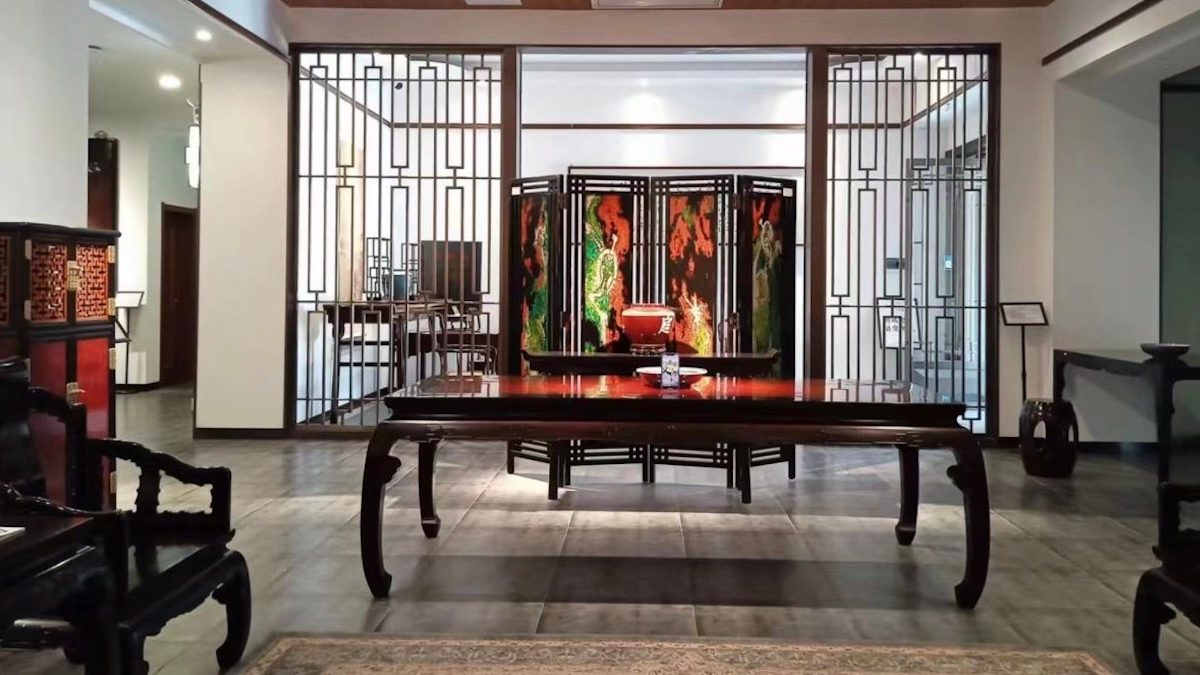
In late Ming dynasty China, furniture wasn’t merely functional—it was a reflection of society, embodying a blend of craftsmanship, social order, and even political dynamics. Jeffrey Sze details how Ming furniture achieved principles valued by modern design – structural honesty, material clarity, and formal restraint – centuries before the modernist movement. Pieces were constructed with precision, using rare hardwoods and adhering to a system of measurement rooted in both practical skill and symbolic belief, aligning with concepts of feng shui and domestic harmony.
The value of a piece isn’t solely in its materials, but also in its age, condition, provenance, and historical significance, with exceptional examples fetching millions at auction. Authenticity demands careful scrutiny of the wood, construction, and patina, discerning genuine age from artificial attempts to replicate it. This attention to detail is highlighted by the story of the Tianqi Emperor, a skilled carpenter whose devotion to the craft coincided with a period of political decline, revealing a fascinating intersection of artistry and governance.
Ultimately, Ming furniture represents a complete cross-section of civilization, embodying not just aesthetic beauty, but also technical skill, social ritual, and the weight of history. It’s a testament to how a seemingly simple object can encapsulate the values and complexities of an entire era.
Surfaced by the Discovery lens — one of the vital signs ovr.news reads.
How we evaluated this
AI summary
read the original for the full story — Read on asiatimes.com . How we work →