US-Israel-Iran Conflict Reaches Stalemate
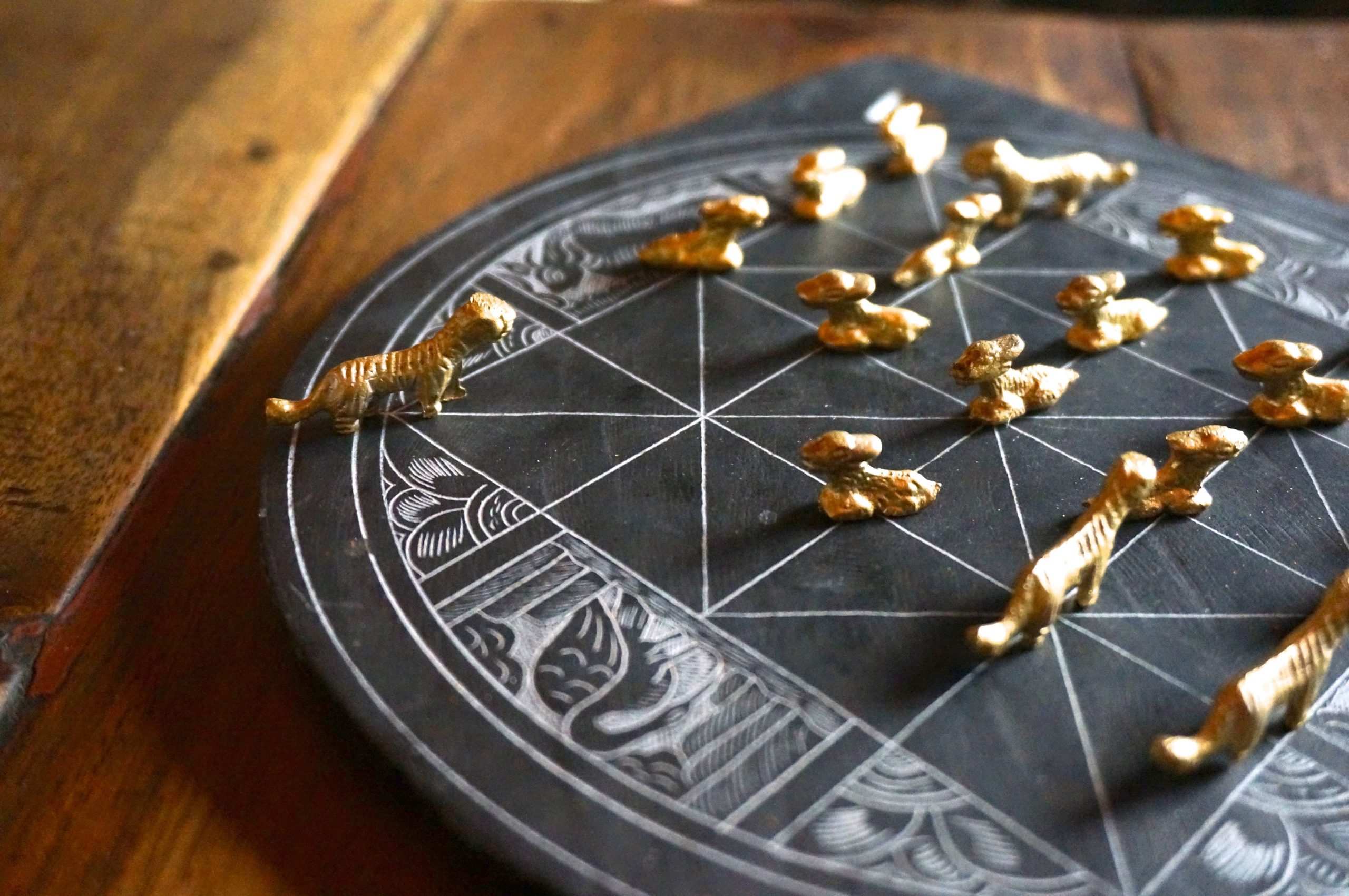
Why this is here: The game of Bagh-chal, with its asymmetric opponents, has a game tree that can reach 10⁴¹, a complexity similar to that of chess.
In West Asia, the recent conflict between the US, Israel, and Iran has settled into a stalemate, mirroring the strategic dynamics of the ancient Nepalese game Bagh-chal. The US and Israel launched Operation Epic Fury in February 2026, targeting Iranian nuclear infrastructure and military leaders with precision strikes. However, Iran’s network of regional proxies—Hezbollah, the Houthis, and various Iraqi and Syrian militias—acted as “goats” surrounding the “tigers,” disrupting operations and absorbing punishment.
Despite inflicting significant damage, the US-Israeli forces failed to achieve a decisive victory due to Iran’s resilient infrastructure and dispersed defenses. Gulf Cooperation Council nations found themselves caught between opposing forces, subject to Iranian retaliation. China and Russia provided indirect support to Iran, bolstering its ability to maintain its position.
Researchers Lim Yew Jin and Jurg Nievergelt note that, like Bagh-chal, optimal play by both sides leads to a draw. The conflict highlights that material superiority does not guarantee strategic victory and that endurance can be a powerful asset. The situation remains unresolved, and further negotiation will be required.
Surfaced by the Discovery lens — one of the vital signs ovr.news reads.
How we evaluated this
AI summary
read the original for the full story — Read on asiatimes.com . How we work →