Modernization and globalization reshape Tihar traditions in Nepal
Headline and summary by local AI
Younger Nepalis are changing how they celebrate Tihar, a traditional festival in Nepal, by blending modern technology with ancestral customs.
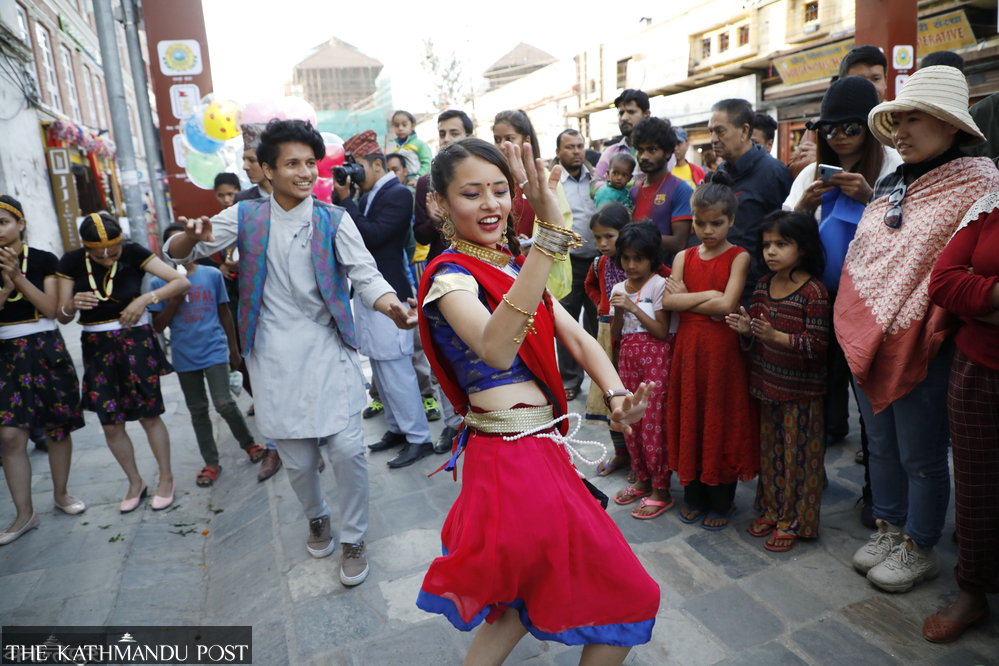
Rajan Gurung, a member of the Ratnachowk Youth Club in Pokhara, notes that while electronic drums and sound systems now accompany the Deusi-Bhailo musical troupes, the group still performs traditional dances to keep the cultural core alive. Cultural scholar Govinda Tandon observes that these changes reflect a move toward convenience and modernization.
In the past, neighbors created original songs and gathered to play dandi-biyo, a stick-and-ball game. Today, people often use recorded music and spend more time on mobile devices. The shift also affects physical preparations; instead of gathering clay from hillsides to plaster mud dwellings for Laxmi Puja, many people now purchase paint in buckets to decorate concrete buildings. The festival's connection to agriculture is also fading as mechanization replaces the oxen that once plowed fields.
However, Tandon says the festival is growing geographically as the Nepali diaspora carries the celebration to different countries worldwide. Meanwhile, activist Priya Sigdel says the younger generation is using the festival to question social inequalities and choose eco-friendly decorations over plastic to promote environmental well-being.
Selected and summarized by local AI How we work