Hydro-diplomacy could build resilience in the Himalayas
Summary and headline written by AI from the source article. How we work
Mohanath Acharya and Krishna Prasad Dulal argue that Nepal should advocate for increased international cooperation to address growing risks in the Himalayan region.
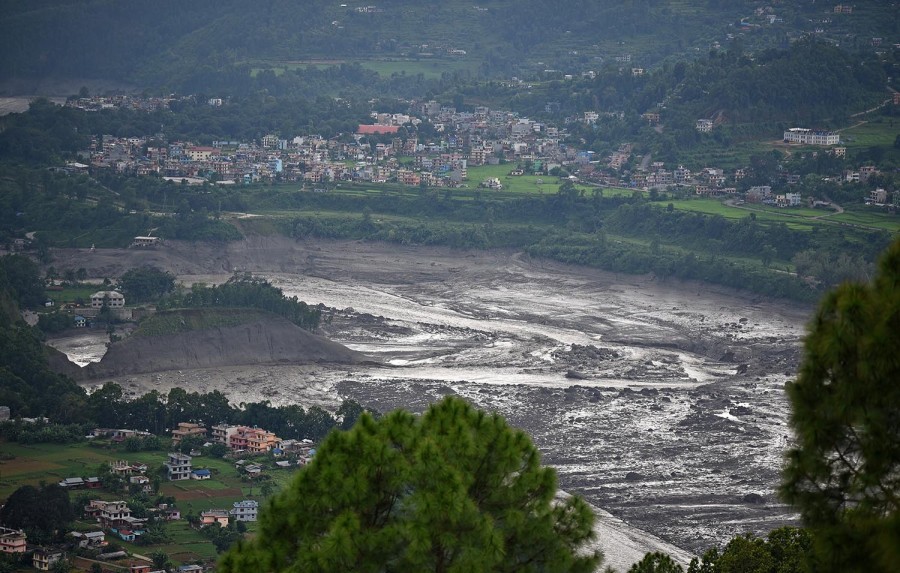
Recent disasters, like the Bhotekoshi flood, revealed that hazards in the mountains are increasingly interconnected and can quickly escalate from local events to regional crises. Traditional hazard assessments are insufficient because climate change is making patterns less predictable and creating new combinations of risks.
Nepal responded to the recent disaster with strong collaboration between its army, police, local governments, and international partners, demonstrating the country’s existing resilience. However, the authors contend that this resilience must be combined with proactive transformation through a framework called hydro-diplomacy. This approach extends beyond water management to encompass public safety, sustainable development, and regional stability, relying on trust, transparency, and shared data. The authors encourage Nepal to propose a new framework for cooperation at the United Nations General Assembly.
They suggest Nepal institutionalize comprehensive risk assessments, create a national mountain risk management framework, strengthen dam safety regulations, prioritize emergency preparedness, and cultivate a national culture of risk awareness. They also recommend Nepal utilize the expertise of its diaspora to improve resilience policy and build upon the encouraging dialogue already begun with China regarding hazard monitoring.