Lucknow achieves top ranking in India’s Clean Air efforts
Summary and headline written by AI from the source article. How we work
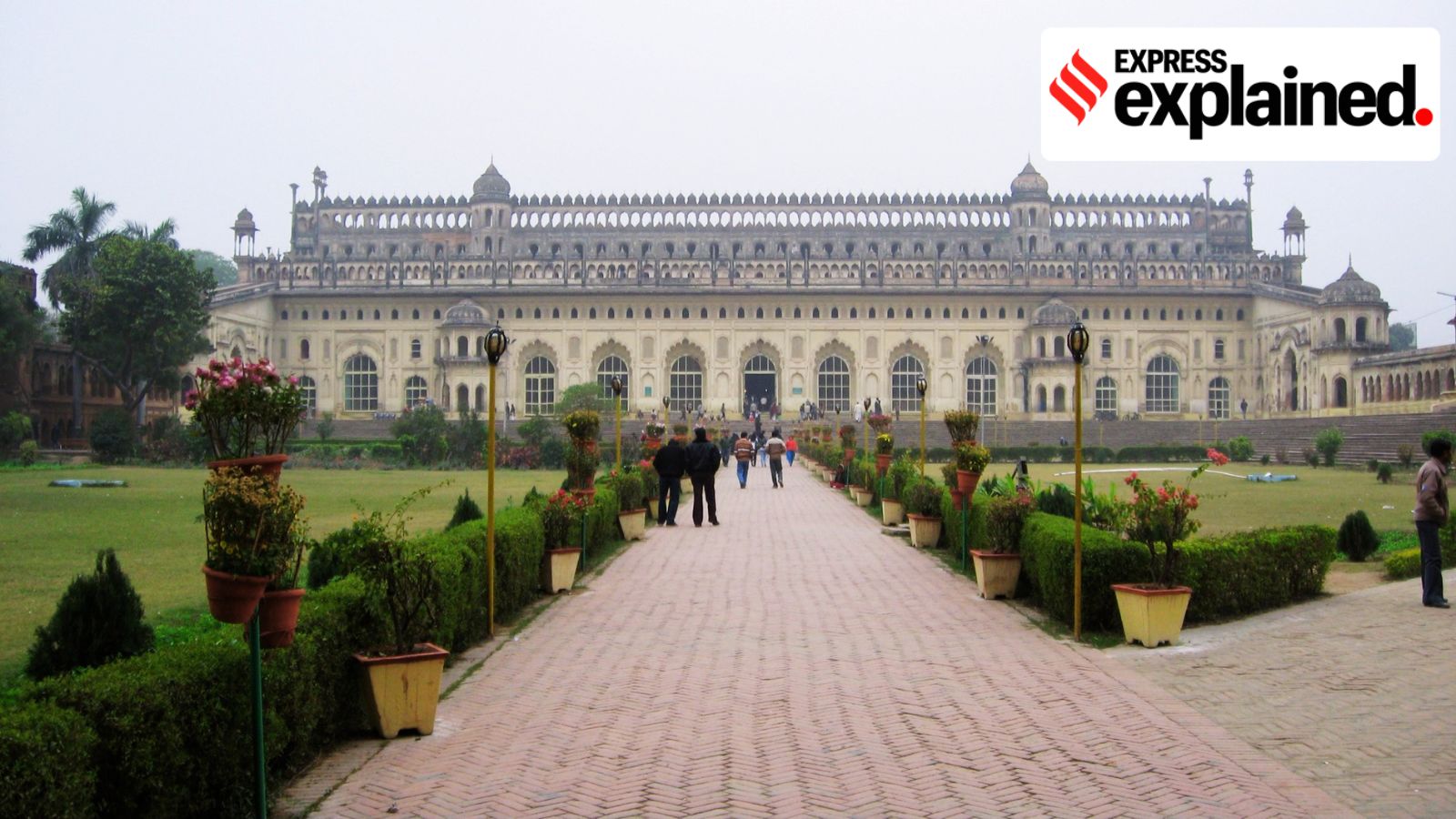
In Lucknow, India, city officials implemented five key measures that led to a first-place ranking in the Swachh Vayu Survekshan-2026, a national clean air survey.
The city scored 198 points, surpassing Indore and Jabalpur, both with populations exceeding one million. Officials credit the success to a comprehensive plan addressing road dust, vehicle emissions, waste burning, and overall waste management. The city transitioned its garbage collection fleet to electric vehicles.
Approximately 1,100 electric vehicles now collect waste door-to-door, and officials plan to complete the switch within six months. Lucknow also operates 140 electric buses and has established 12 charging stations with 916 charging points to support electric mobility. To combat road dust, the Municipal Corporation deployed 97 electric sweeping machines and paved over 559 kilometers of roads. This combination of mechanised sweeping and paving aims to reduce dust kicked up by traffic.
Lucknow also achieved 100% scientific processing of its 2,550 tonnes of daily municipal waste, preventing open burning. The city expanded green spaces through Miyawaki plantations and vertical gardens, adding greenery in urban areas. Furthermore, Lucknow extended its clean-air initiatives to the ward level, with Ward-70 achieving the top national ranking among urban wards with over 30,000 residents. While Lucknow has not yet met national air quality standards, the city reduced PM10 concentrations by 45.2% since 2017.