Indian communities build lives around water
Summary and headline written by AI from the source article. How we work
Across India, people in four distinct regions, Manipur, Kashmir, Assam, and the Sundarbans, have developed ways of life deeply connected to water.
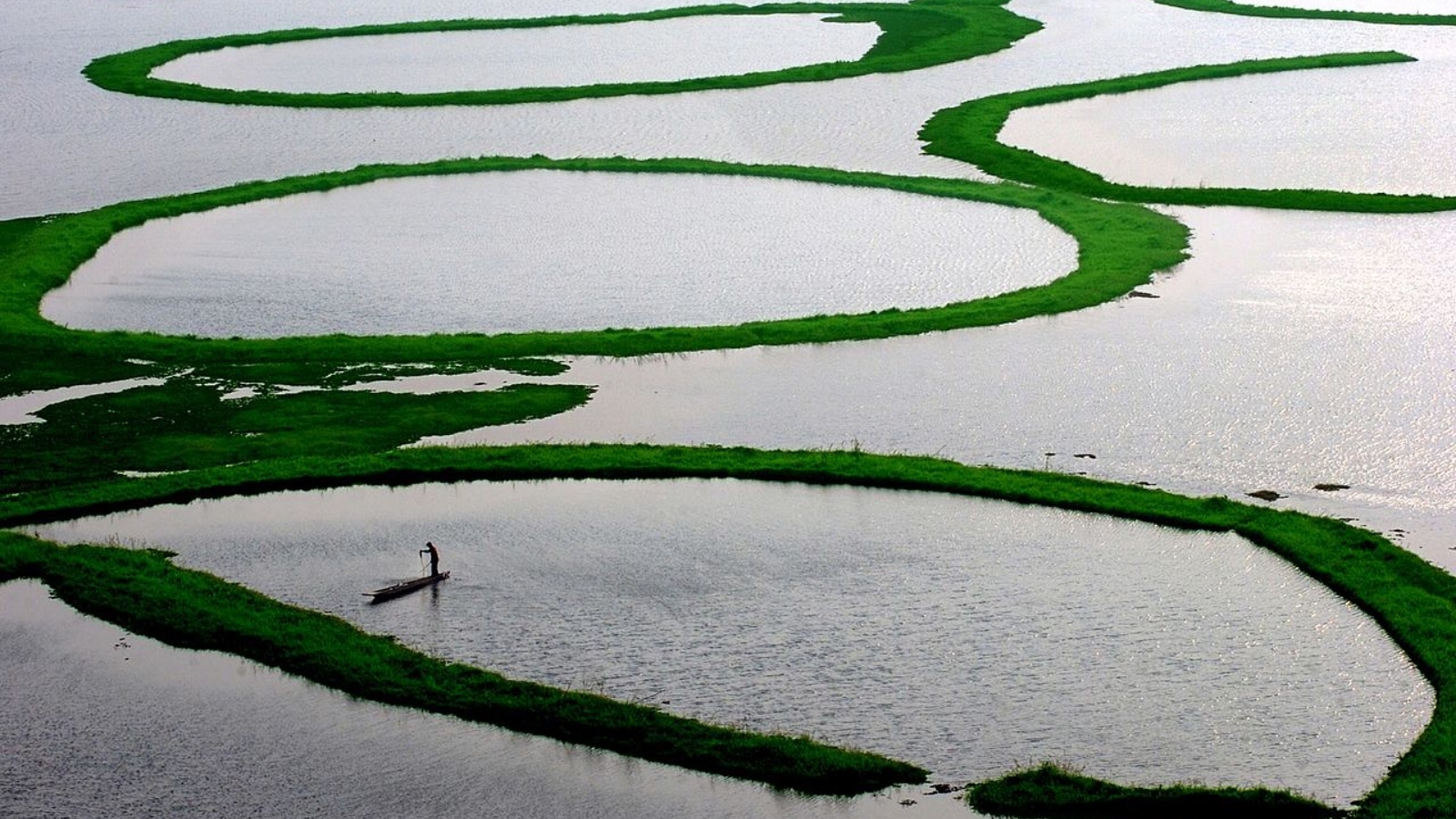
In Manipur, fishing communities live and work among the floating phumdis of Loktak Lake, a unique landscape that also includes Keibul Lamjao National Park, home to the endangered sangai deer. Srinagar’s Dal Lake in Kashmir supports communities with floating gardens and a culture of houseboats and shikaras, allowing residents to grow vegetables and transport them by boat.
Majuli, a river island in Assam, sees residents adapt to the seasonal floods, erosion, and changing paths of the Brahmaputra River, while also maintaining a vibrant tradition of Assamese Vaishnavite culture. The Sundarbans, a large mangrove delta, presents a different adaptation, where communities navigate a landscape of shifting waterways and deal with challenges like cyclones and salinity.
In each location, water isn’t simply a feature of the environment but a fundamental part of how people work, travel, and build their homes. These communities demonstrate resilience and a long-standing relationship with their aquatic surroundings, creating unique cultural and economic systems.