Traditional floor art connects communities and promotes social change
Headline and summary by local AI
People across India create intricate floor art and wall paintings to celebrate festivals and communicate social messages.
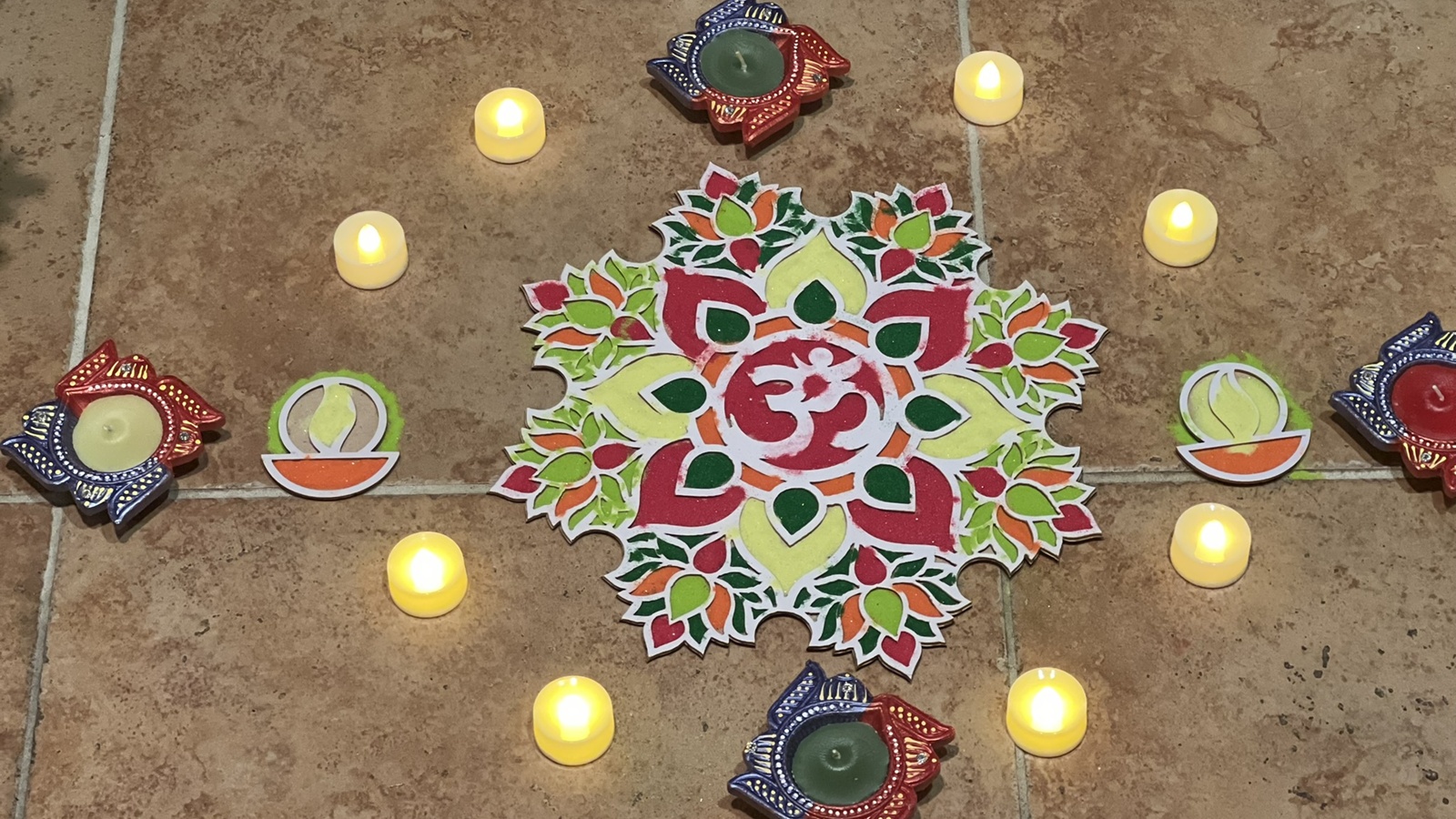
These designs, known by different regional names such as rangoli, kolam, and alpona, traditionally use natural materials like rice powder, flower petals, and cow dung. While these artworks serve as decorative symbols of welcome and prosperity during events like Diwali and Durga Puja, they also reflect a deep connection to the local environment and seasonal harvests.
Women use these creative practices to navigate social issues and advocate for public policy. Government agencies and community workers use the art as a tool to spread information about maternal health, food security, and voter participation. By incorporating fruits and lentils into the designs, women turn floors into canvases that communicate messages about gender equality and nutrition. These activities also provide a rare opportunity for women to engage in creative leisure and collective bonding, offering a break from domestic labor.
The practice of floor art extends beyond India to various cultures around the world. Communities in Guatemala create sawdust carpets for Holy Week, while artists in the United States use chalk to decorate streets during festivals. These traditions serve as a form of soft diplomacy and cultural exchange, allowing different groups to express themes of sustainability, peace, and solidarity through temporary but meaningful visual art.
Selected and summarized by local AI How we work
Discovery: Archaeology, new knowledge of art, culture and history, forgotten history uncovered, something lost restored.


