Anganwadis support children’s futures in India
Summary and headline written by AI from the source article. How we work
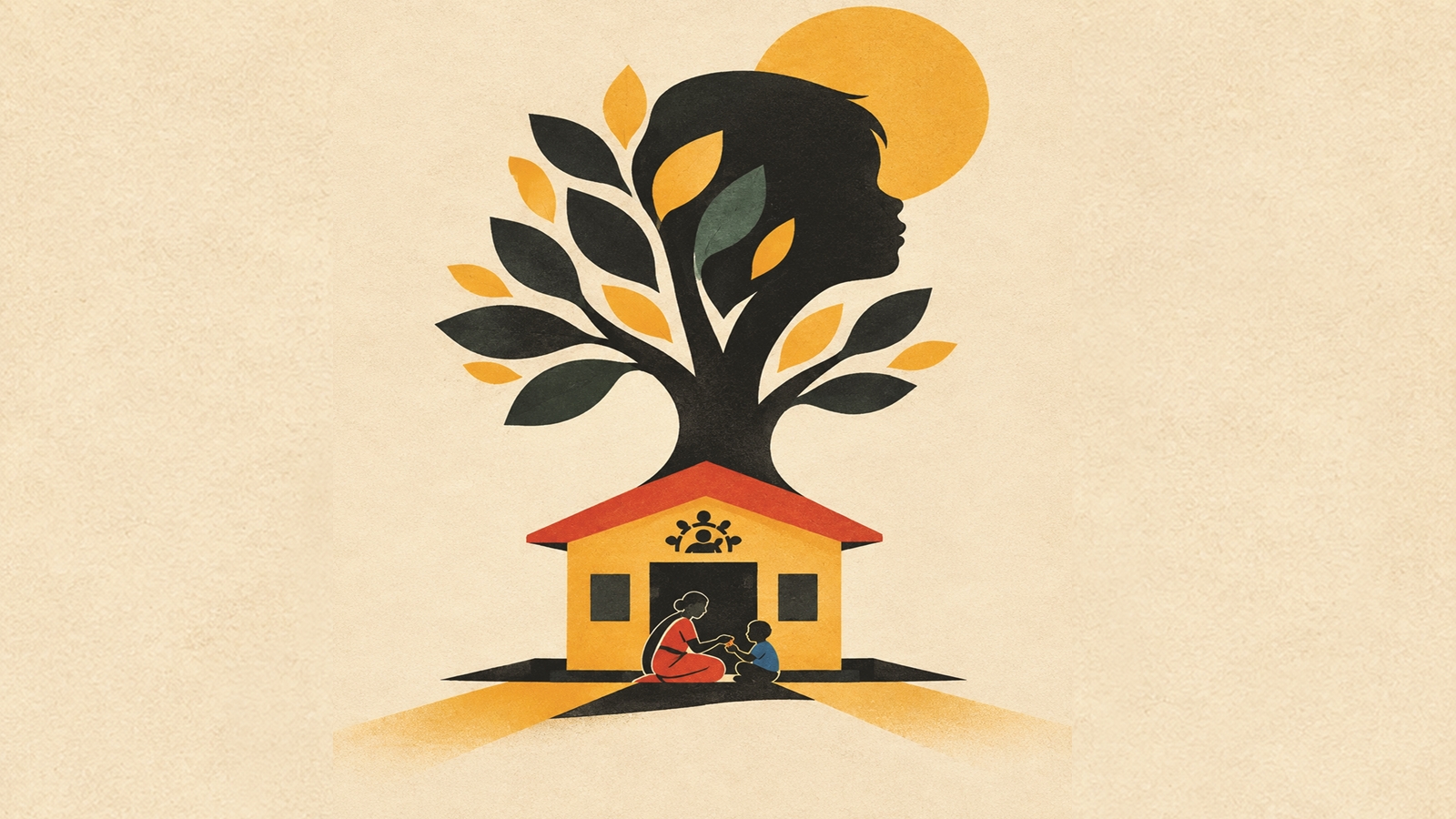
Across India, 1.4 million anganwadi centers provide early childhood support to over 89 million children, women, and adolescent girls.
These centers, which function as a first point of contact between citizens and the government, offer services like nutritional support, early learning, and counseling for expectant parents. Prime Minister Narendra Modi launched the POSHAN Abhiyaan in 2018 to bolster these efforts, and the current Rashtriya Poshan Maah campaign emphasizes community involvement in anganwadi operations.
Anganwadi management committees are now including parents, local council members, and self-help groups to improve outreach and accountability. These groups conduct social audits to verify services and entitlements, giving families a direct role in monitoring quality. Mothers are central to this process, with menu boards displaying what children should receive through the Supplementary Nutrition Programme, increasing transparency. The government released updated guidelines in July to ensure balanced meals, including cereals, pulses, and milk, are provided.
Alongside nutrition, anganwadi workers monitor developmental milestones in children and use curricula like Navchetna and Aadharshila to prepare them for school. The Pradhan Mantri Matru Vandana Yojana has provided 46.5 million beneficiaries with 21,511 crore rupees to support maternal nutrition, and studies show that combining these financial transfers with counseling improves outcomes. The author urges citizens to visit local anganwadi centers and offer support to workers, emphasizing that the future health of India depends on investing in its youngest citizens.