Carter Called Weigall’s Death “A Blessing”
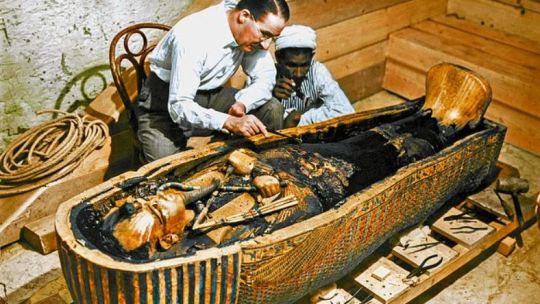
Why this is here: The letter’s direct language—Carter calling Weigall’s death “a blessing”—reveals the depth of the archaeologist’s resentment toward the journalist he blamed for fabricating the curse of Tutankhamon.
Howard Carter, the archaeologist who discovered Tutankhamon’s tomb in 1922, expressed relief at the 1934 death of journalist Arthur Weigall in a recently analyzed letter. The letter reveals a strained relationship stemming from Weigall’s creation of the “curse of Tutankhamon.” Carter sent the letter to a colleague shortly after Weigall died in London at age 53.
The document shows Carter’s frustration with the sensationalism surrounding his discovery in the Valley of the Kings. Carter openly disdained Weigall, blaming him for spreading unfounded legends. The correspondence provides insight into conflicts during the golden age of Egyptology.
In the letter, Carter stated Weigall’s death was “a true blessing.” He viewed the journalist as an obstacle to serious scientific research. Carter believed Weigall’s stories about misfortune befalling those who entered the tomb damaged his professional reputation and were merely media inventions to sell newspapers.
The rivalry began when Carter gave exclusive coverage to The Times, angering Weigall, who worked for The Daily Mail.