Turin Shroud: Science and Church Debate Age of Relic
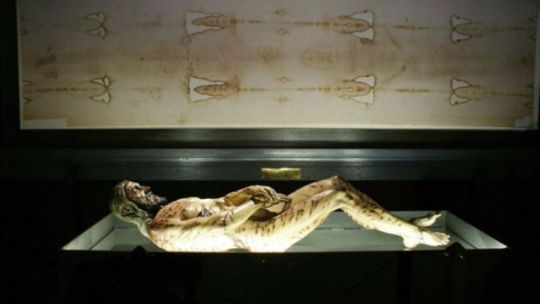
Why this is here: The 2022 study used wide-angle X-ray scattering to analyze the natural aging of linen fibers, comparing them to reference fabrics from various periods to reassess the shroud’s potential age.
A linen cloth bearing the image of a crucified man, known as the Turin Shroud, is again under scrutiny following new scientific studies. These studies challenge previous carbon-14 dating that placed the cloth’s origin in the medieval period—between 1260 and 1390.
In 1988, three independent laboratories conducted carbon-14 dating published in Nature, concluding the shroud dated from the Middle Ages. However, some researchers later questioned this analysis, citing potential contamination or textile repairs affecting the results.
Recent X-ray research from the Institute of Crystallography in Italy suggests the linen’s structural characteristics align with a fabric approximately 2,000 years old, given specific preservation conditions. While the Catholic Church has not officially verified the relic’s authenticity, Pope John Paul II called it “a challenge to intelligence” in 1998.