Lab-Grown Esophagus Successfully Implanted in Pigs
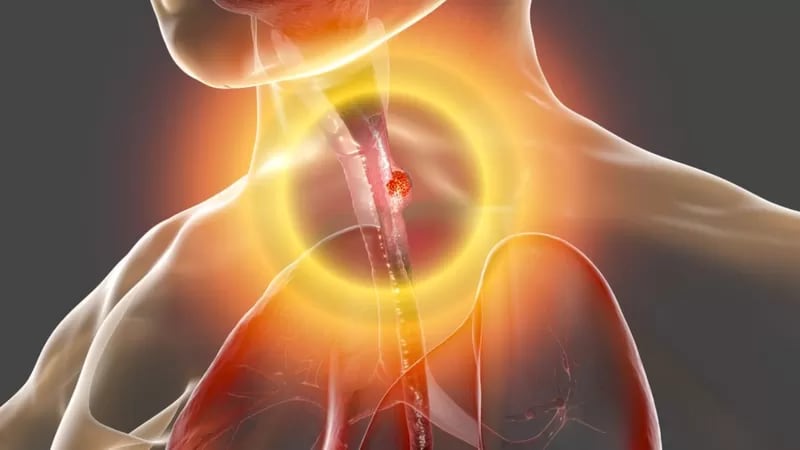
Why this is here: The study’s success in achieving functional swallowing in pigs highlights the potential for personalized organ replacement, specifically referencing a model designed with severe congenital esophageal defects in mind.
Scientists successfully implanted a lab-grown esophagus into pigs, demonstrating its ability to integrate, regenerate, and function like a natural organ. Researchers from University College London created the esophageal segment from the animals’ own cells. They removed cells from donor esophagi, leaving a scaffold, then seeded it with cells derived from biopsies of the recipient pigs.
The bioengineered tissue matured in a bioreactor, developing blood vessels. Surgeons then replaced a 2.5-centimeter section of the pigs’ original esophagi with the lab-grown segment. Five of eight animals survived the six-month follow-up period, swallowing liquids and solids normally.
Tests showed the implant developed new muscles, nerves, and blood vessels. Researchers observed continuous contraction waves during swallowing, indicating active function. The team now aims to create longer segments, approximately 10-15 centimeters, and plans to begin human trials in three to four years.