Bogotá’s ciclovía: a 50-year revolution for wellbeing
Summary and headline written by AI from the source article. How we work
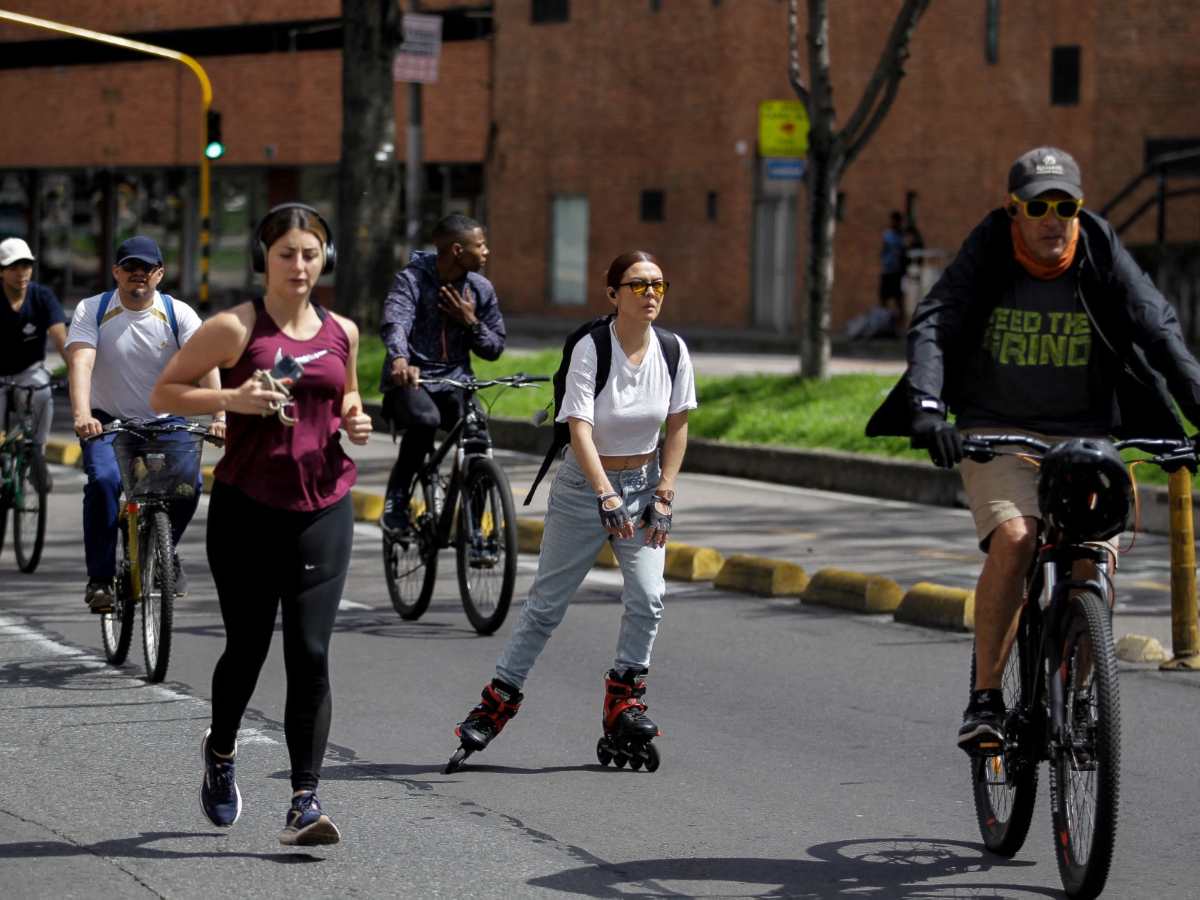
Fifty years ago in Bogotá, Colombia, Jaime Ortiz Marino began a weekly closure of city streets to cars, creating a space for cyclists and pedestrians. This initiative, known as the ciclovía, started as a protest and quickly became a beloved tradition.
Ortiz, an architect and cycling enthusiast, secured a permit in 1974 to close a section of the city to automobile traffic, allowing over 5,000 people to use the streets by bicycle.
The ciclovía has since inspired similar programs in around 200 cities worldwide. Every Sunday, approximately 1.7 million residents of Bogotá use the 127 kilometers of car-free streets for exercise and recreation. The event provides a break from traffic and air pollution in one of Latin America’s largest cities. Beyond recreation, the ciclovía has positively impacted the environment and the local economy. In 2024 alone, it helped reduce CO2 emissions by the equivalent of 444 tons.
It also supports employment for people like Eladio Gustavo Atis, a mechanic who repairs bicycles along the route, allowing him to fund his daughter’s education and support his family. Ortiz describes the ciclovía as a “valve of escape” for the rapidly growing city of eight million people, which currently lacks a metro system despite being the second most congested metropolitan area in the world.