Reed Brody on Justice, Intervention, and the Struggle for Human Rights
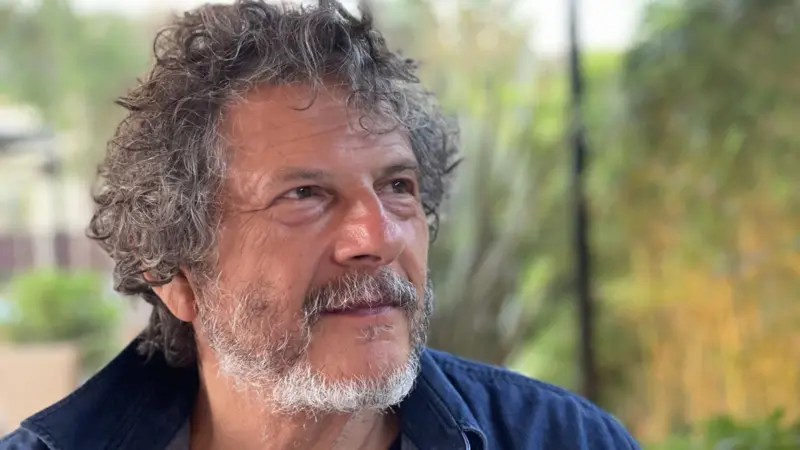
Reed Brody, a human rights lawyer with decades of experience in Latin America and Africa, discusses the challenges of achieving justice for victims of authoritarian regimes. He reflects on the lessons learned from cases like that of Hissène Habré and Augusto Pinochet, emphasizing the importance of documentation and the power of individual stories.
Brody also critiques interventions in countries like Venezuela and Cuba, arguing that they often prioritize geopolitical interests over the well-being of the people. He highlights the need for sustained international pressure and support for democratic forces, while acknowledging the complexities and potential pitfalls of external involvement.
KEY INSIGHTS:
Justice is Possible, but Requires Persistence: Cases like Habré and Bouterse demonstrate that even long-delayed justice is achievable with dedication and creativity. Victims' Stories Matter: Documenting individual experiences and giving victims a voice is crucial for building strong cases and garnering support. Intervention is Complicated: While the impulse to help victims is understandable, interventions often fail to prioritize their well-being and can even exacerbate the situation. International Pressure and Support are Essential: Sustained diplomatic pressure, targeted sanctions, and support for democratic forces are more effective than military intervention. * Focus on the People: Any approach to addressing human rights crises must prioritize the needs and perspectives of the affected populations.
Surfaced by the Discovery lens — one of the vital signs ovr.news reads.
How we evaluated this
AI summary
read the original for the full story — Read on elnacional.com . How we work →