Ramadan, Lent Coincide Amidst Debate Over Christ’s Identity
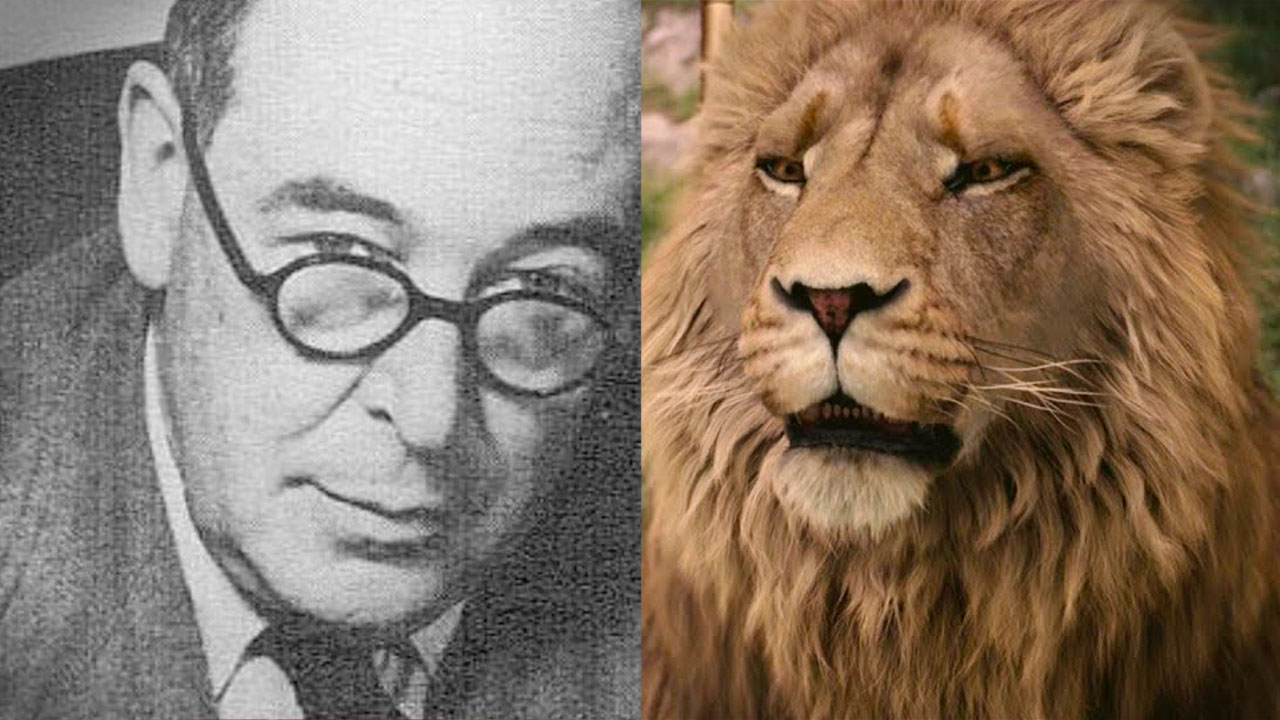
Why this is here: The article highlights a parallel between the breaking of the stone table in The Lion, the Witch, and the Wardrobe and the tearing of the temple veil in the Gospel of Matthew, demonstrating how fictional narratives can visually represent core theological concepts.
Millions of Muslims and Christians are observing Ramadan and Lent concurrently this March, prompting reflection on a central divide between the two faiths: the identity of Christ. While both groups practice spiritual discipline and sacrifice—with Muslim fasting lasting over fifteen hours in some regions—their core beliefs diverge sharply regarding Jesus.
The article contrasts the Islamic view of Jesus as a prophet with the Christian belief in his divinity as the central point of faith. It draws on the works of C.S.
Lewis and J.R.R. Tolkien, specifically Lewis’s Chronicles of Narnia, to illustrate how imaginative storytelling can illuminate theological truths.
Lewis, the author, used “supposal”—imaginative hypothesis—to explore what the incarnation of God would look like in a fictional world, resulting in Aslan, the lion, as a literary “operation of theology.” The author argues that the Christian claim that God entered the world, rather than simply issuing commands from afar, is a radical concept embodied in both the Gospels and Narnia.