Ocean Census Finds Over 1,100 New Marine Species
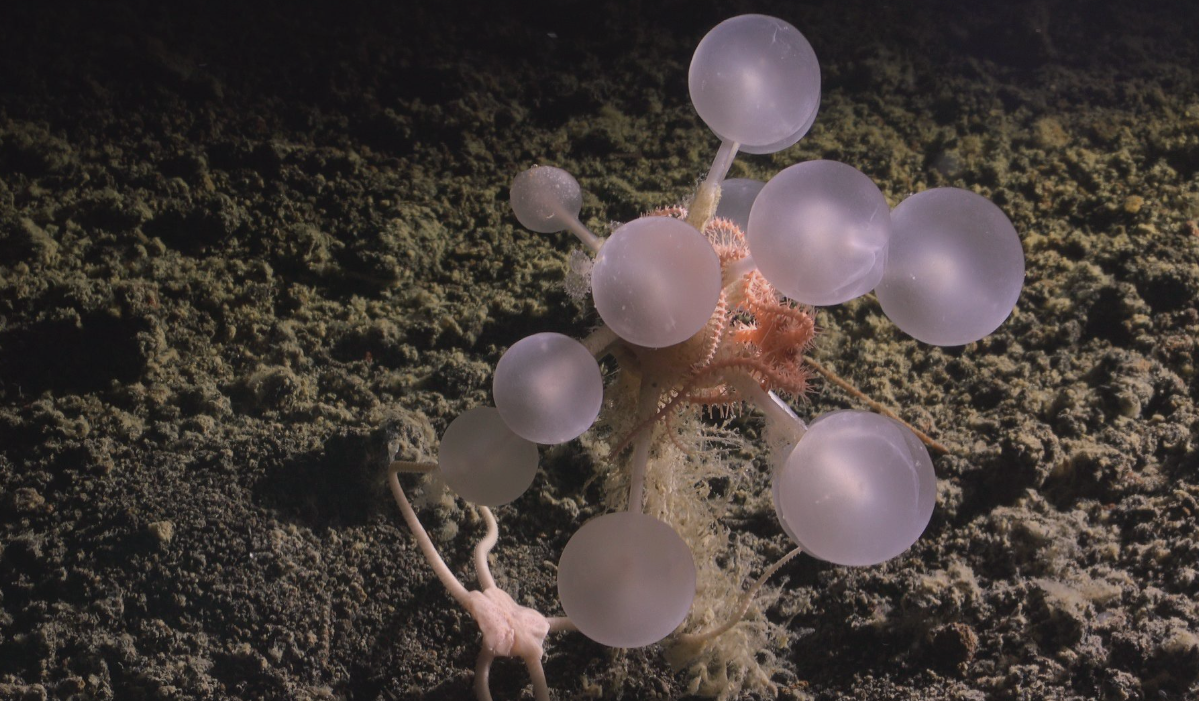
Why this is here: The team discovered a sponge, Chondrocladia sp., in the South Sandwich Islands’ abyssal depths—it actively hunts crustaceans using hooked spicules instead of filtering food.
Scientists collaborating with Ocean Census identified 1,121 new marine species in a single year, during expeditions reaching depths of 6,575 meters. The international effort—including researchers from Japan, the United States, and Australia—cataloged these species in 13 expeditions, exceeding the annual average by 54%. Notable finds include the “Ghost Shark” chimera off Australia and a bioluminescent “Crystal Castle” worm near Japan.
The team is accelerating species discovery to inform ocean protection policies, as an estimated 90% of marine species remain unknown. They formally recognize “discovered” status using the NOVA digital platform, making data available quickly. This is important because, historically, it takes roughly 13.5 years to formally describe a new species—time many don’t have.
However, the article notes that cataloging species is only the first step; effective conservation requires sustained effort and global collaboration. The Ocean Census project continues to explore and document marine life.
Surfaced by the Recovery lens — one of the vital signs ovr.news reads.
How we evaluated this
AI summary
read the original for the full story — Read on elnacional.com . How we work →