Air quality improves in Quito after fire
Summary and headline written by AI from the source article. How we work
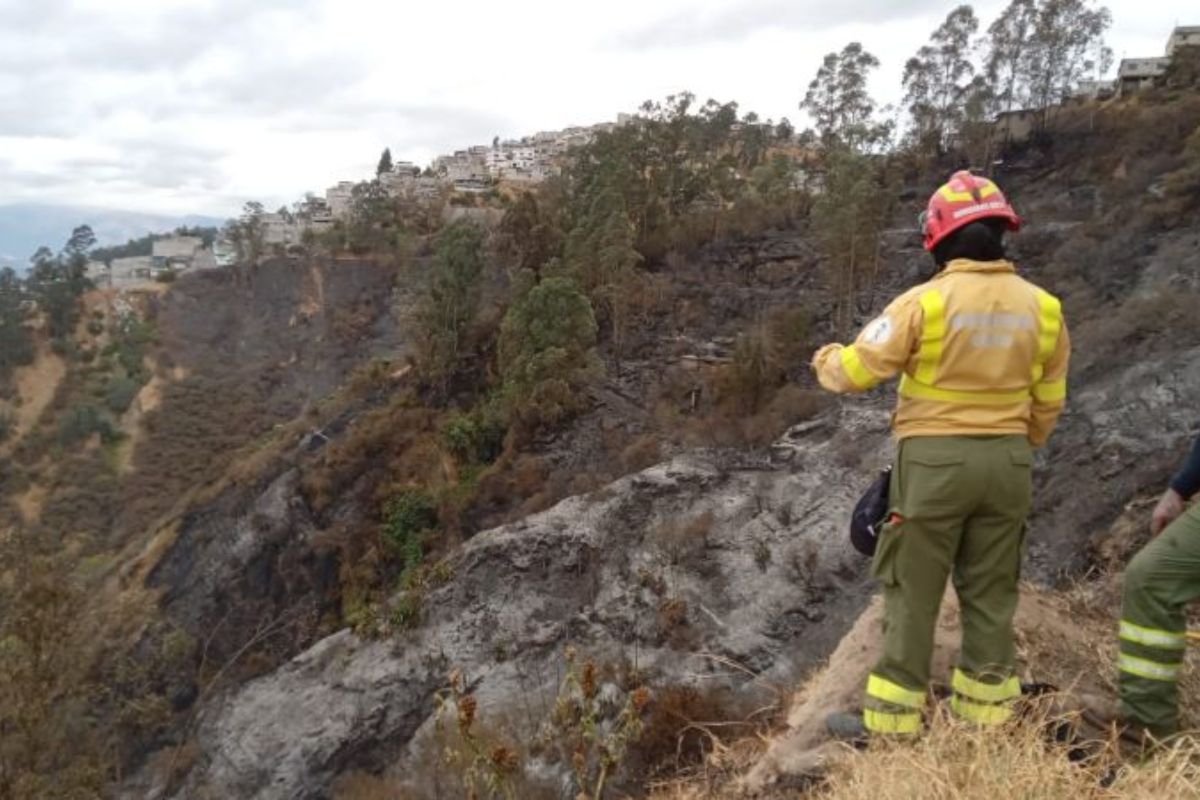
Santiago Sandoval, Quito’s Secretary of Environment, reported improved air quality in the La Bota sector on the morning of September 15, 2026, following a fire in the area.
Measurements taken that day registered below 9 micrograms, a significant improvement from the 22 micrograms per cubic meter recorded the previous day during the fire. During the fire, air quality had reached levels exceeding 60 micrograms.
Quito’s Secretary of Environment monitors air quality using nine stations, including one near La Bota in Carapungo. This data helps the Secretary’s office inform emergency services like the fire department and health organizations, enabling them to respond to air quality emergencies and provide assistance to affected residents, including distributing masks and offering respiratory checkups.
The office identified Santa Rosa, Marquesa de Solanda, and San Juan de Calderón as neighborhoods needing immediate attention, and placed 63 others under possible-impact monitoring, with 698 under preventative surveillance. Sandoval expressed concern about recent fire activity, linking it to drought conditions, high temperatures, and strong radiation in Quito. Fires have already damaged nearly 1,200 hectares in the Quito Metropolitan District in 2026, following around 2,200 hectares affected in 2024.
The city is now actively working to restore damaged areas, increasing reforestation efforts from 16,000 trees annually to approximately 150,000 in 2024, and planting around 20,000 trees so far in 2026.