Spanish historian Cesáreo Jarabo attributes indigenous disappearance to integration
Headline and summary by local AI
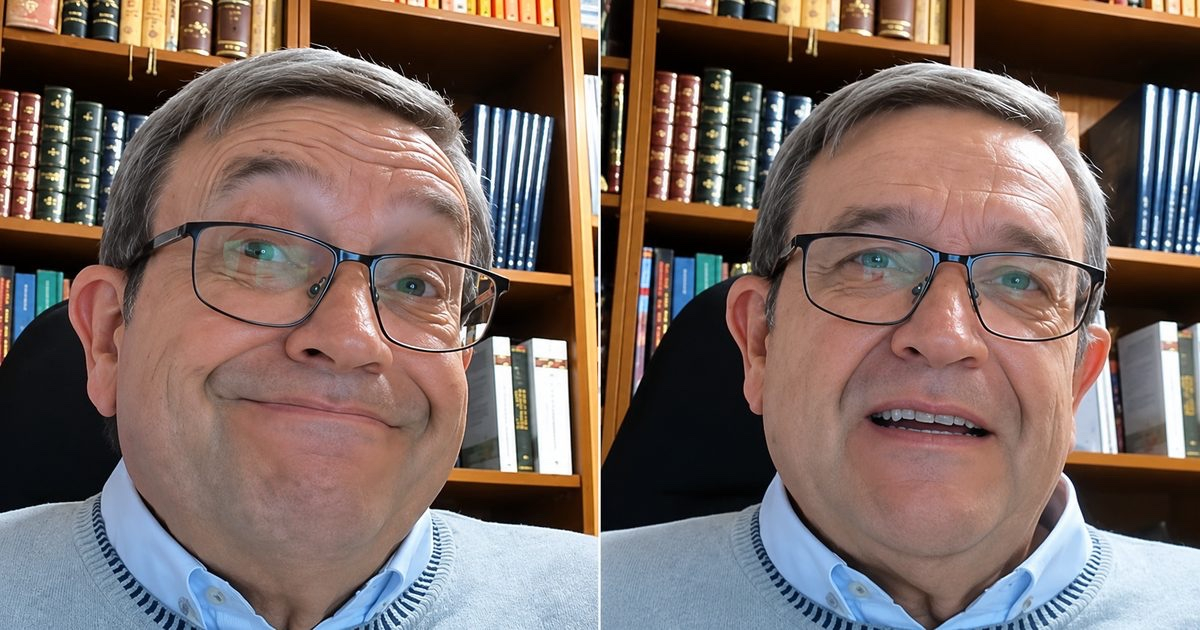
Spanish historian Cesáreo Jarabo told Tania Costa on CiberCuba that indigenous peoples in the Americas did not disappear through extermination but through mestizaje, which is the integration and mixing of different cultures and ethnicities.
Jarabo argued that this process of integration started even before the conquest of the Americas, using the Canary Islands as an example where people mixed rather than being wiped out. Jarabo explained that baptism served as the legal mechanism for this integration into Hispanic society.
Once a person was baptized, they were officially recorded as Spanish subjects of the Crown regardless of their racial background. Jarabo also noted that until 1700, laws allowed indigenous people to attend universities, such as those in Santo Domingo, Lima, and Mexico, which opened their doors between 1538 and 1551. The historian also discussed the political history of Spain and its territories.
He identified 1700 as the start of the separation between Spain and Hispanoamerica, coinciding with the Bourbons taking the throne after the War of Succession. Jarabo also claimed that Spain lost Cuba in 1898 not because of military weakness, but due to the disloyalty of its leaders and foreign interests. He maintained that Cuba remained authentically Spanish during this period.
Selected and summarized by local AI How we work
Discovery: Archaeology, new knowledge of art, culture and history, forgotten history uncovered, something lost restored.