Premature infant survives 90 days in Cuban hospital despite resource shortages
Headline and summary by local AI
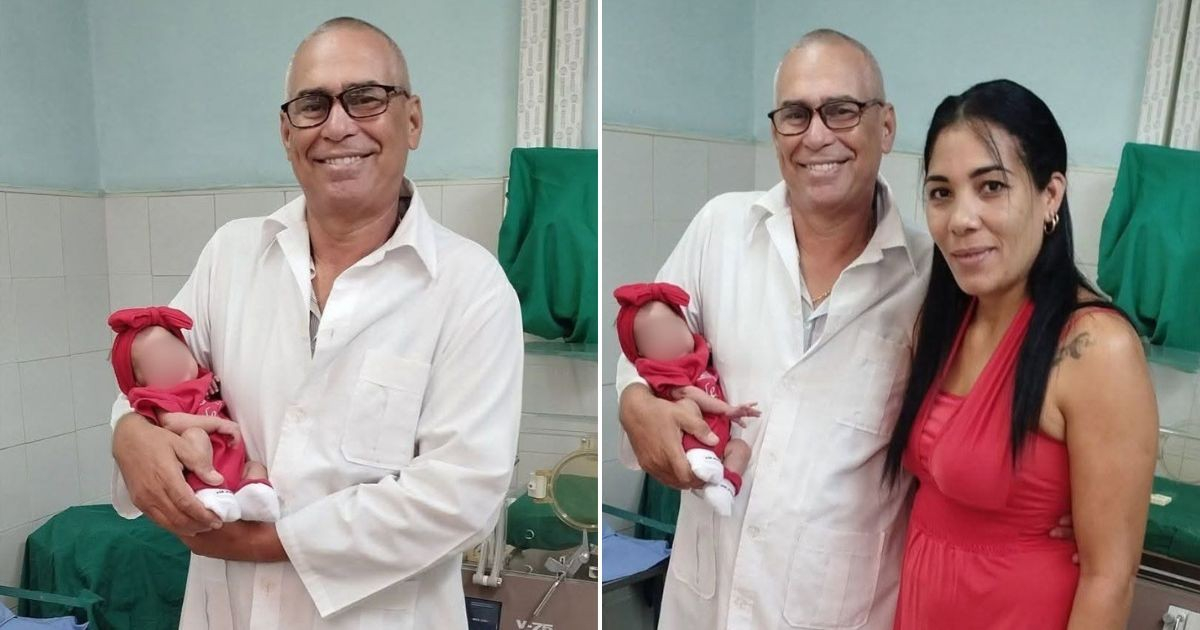
Doctors at the Ana Betancourt de Mora Provincial University Gyneco-Obstetric Hospital in Camagüey, Cuba, discharged a premature infant named Mía Valentina after 90 days of intensive medical care.
Mía Valentina was born with extremely low weight and required 35 days of intensive care involving mechanical respiratory assistance. During her recovery, medical specialists moved the infant into a joint accommodation with her mother, Yadira, through a kangaroo program.
This method involves skin-to-skin contact to help maintain the baby's body temperature and facilitate breastfeeding. Specialists noted that Mía was the lightest baby they had ever placed in this program at that time, as she weighed less than 1,000 grams. The success of Mía's recovery occurs amid reports of deteriorating infrastructure and resource scarcity within the Cuban healthcare system.
Journalists and patients have reported that the hospital faces a lack of beds, leading to patients staying on chairs, as well as issues with sewage leaks and medication shortages in neonatal areas. In early 2026, reports surfaced of over 15 newborn deaths in the neonatal area between January and May. Mía is one of several infants in Cuba who have survived long hospitalizations despite these conditions.
Other cases include Aurora, who spent 138 days in a Holguín hospital after being born at 26 weeks of gestation, and Patricia, who spent 82 days in the Iván Portuondo Hospital in Artemisa before moving into cohabitation with her mother.
Selected and summarized by local AI How we work
Thriving: Health improving, rights advancing, lives getting better.