Novel recovers history of resistance in Brazilian wedding tradition
Summary and headline written by AI from the source article. How we work
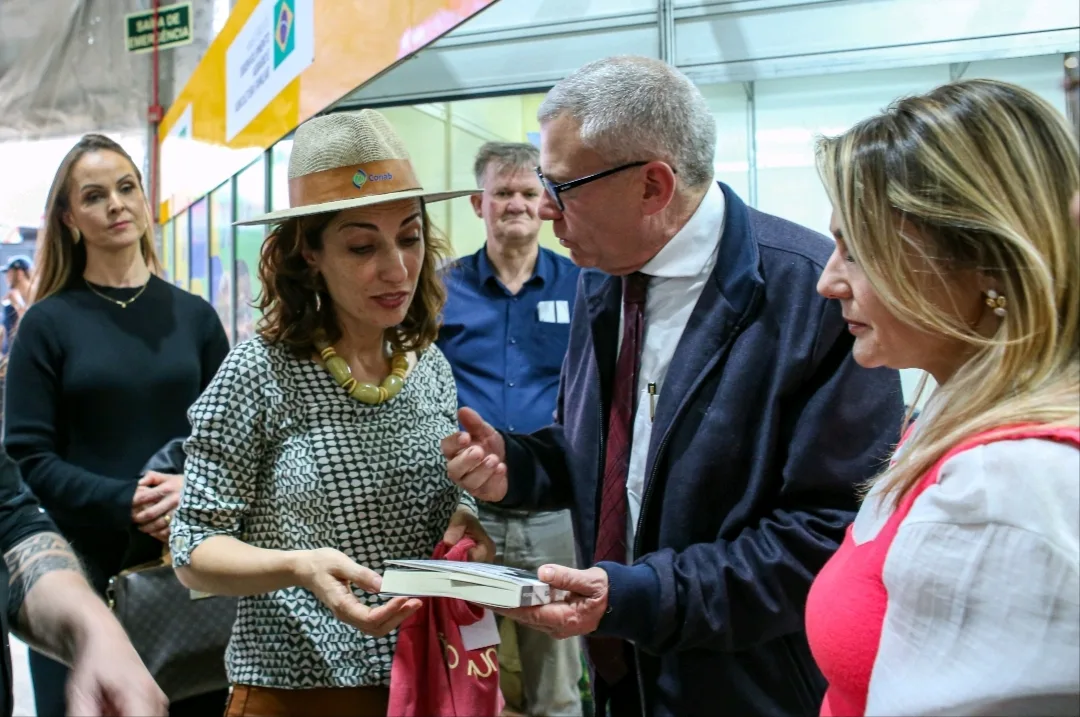
In Brazil, during the Expointer agricultural fair, São Lourenço do Sul mayor Zelmute Marten presented Minister Fernanda Machiaveli with a copy of Noivas de Preto (Black Brides) by Jairo Scholl Costa.
The novel explores a custom among Pomeranian immigrants, brides wearing black wedding dresses, and its roots in resistance to feudal power structures.
The book draws on oral histories suggesting the black dresses originated as a form of mourning, protest, and defiance against the “right of the first night” imposed by landowners. While the historical accuracy of this origin story remains unproven, the author argues the tradition reveals how communities interpret violence and preserve their resistance through memory.
The practice of black wedding dresses persisted in the São Lourenço do Sul region until the late 1940s, demonstrating how cultural practices can survive even after the social order that birthed them disappears. The novel sparks debate about the extent of feudalism in Brazil’s history, with scholars like Nelson Werneck Sodré, Caio Prado Júnior, and Jacob Gorender offering differing perspectives on land ownership and power dynamics.
However, the book’s core message isn’t about definitively proving feudalism existed, but about how domination adapts and endures, shifting from traditional feudal structures to modern forms of economic dependence, political silencing, and captured institutions. The author emphasizes that understanding Brazil’s political formation requires recognizing the experiences of those often excluded from official records, like rural women, and acknowledging the stories they preserve through customs and traditions.
/https://tf-cmsv2-smithsonianmag-media.s3.amazonaws.com/filer_public/48/19/48190f1e-de82-463a-bf2a-7fd3e3155f6d/721f466e35c476988b66e2c10fe999d68acd58e2-4469x4469.png)

