Guarani heritage shaped southern Brazil’s culture
Summary and headline written by AI from the source article. How we work
In the Rio Grande do Sul state of Brazil, Guarani peoples and later the Farroupilha Revolution both contributed qualities and customs that define the region’s identity.
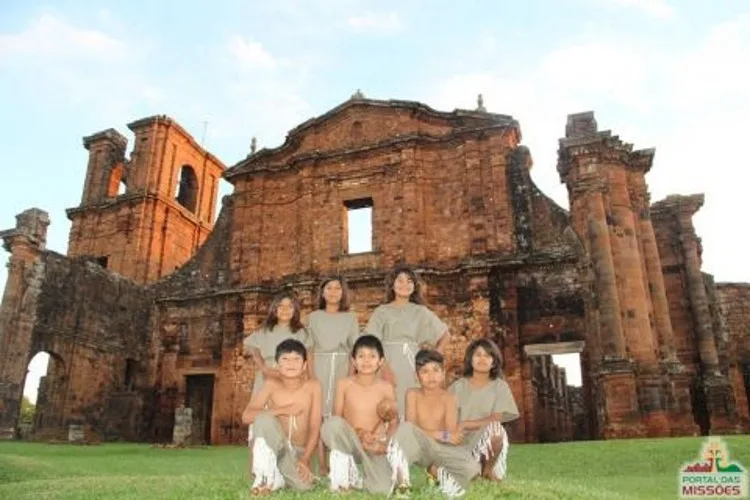
Starting around 1626 with the establishment of the first Guarani reduction, a settlement combining indigenous and Jesuit practices, these groups developed advanced agricultural, livestock, and crafting techniques. The Guarani cultivated crops like corn, sweet potatoes, and cassava, and pioneered methods of cooking meat over an open fire that became the basis for Brazilian barbecue.
Following the Guarani, the Charrua people also left their mark, particularly in clothing and horsemanship, though they too faced violence and displacement. Portuguese and Spanish colonial powers saw the self-sufficient Guarani settlements as a challenge and ultimately dismantled them through the Treaty of Madrid in 1750, dispersing the Guarani and expelling the Jesuits.
After the reductions were abandoned, the livestock that remained were hunted by groups of people, including indigenous people, formerly enslaved Africans, and European deserters, who became known as gaúchos. Initially labeled as outlaws, these gaúchos eventually became integrated into the region’s ranches. The author argues that recognizing and building upon the legacy of these groups is crucial for building a more just and sustainable future for Rio Grande do Sul and Brazil.