African languages find new life with diaspora youth
Summary and headline written by AI from the source article. How we work
Across Africa and among its diaspora, people are actively reviving interest in mother tongues once diminished by colonialism.
In Nigeria, the game show “Masoyinbo” challenges contestants to speak Yoruba, one of the country’s major languages, without using English. Meanwhile, in Canada, 15-year-old Nyashadzashe Machingura is learning Shona, the language of Zimbabwe, with a tutor based in Harare, allowing her to connect with her grandparents.
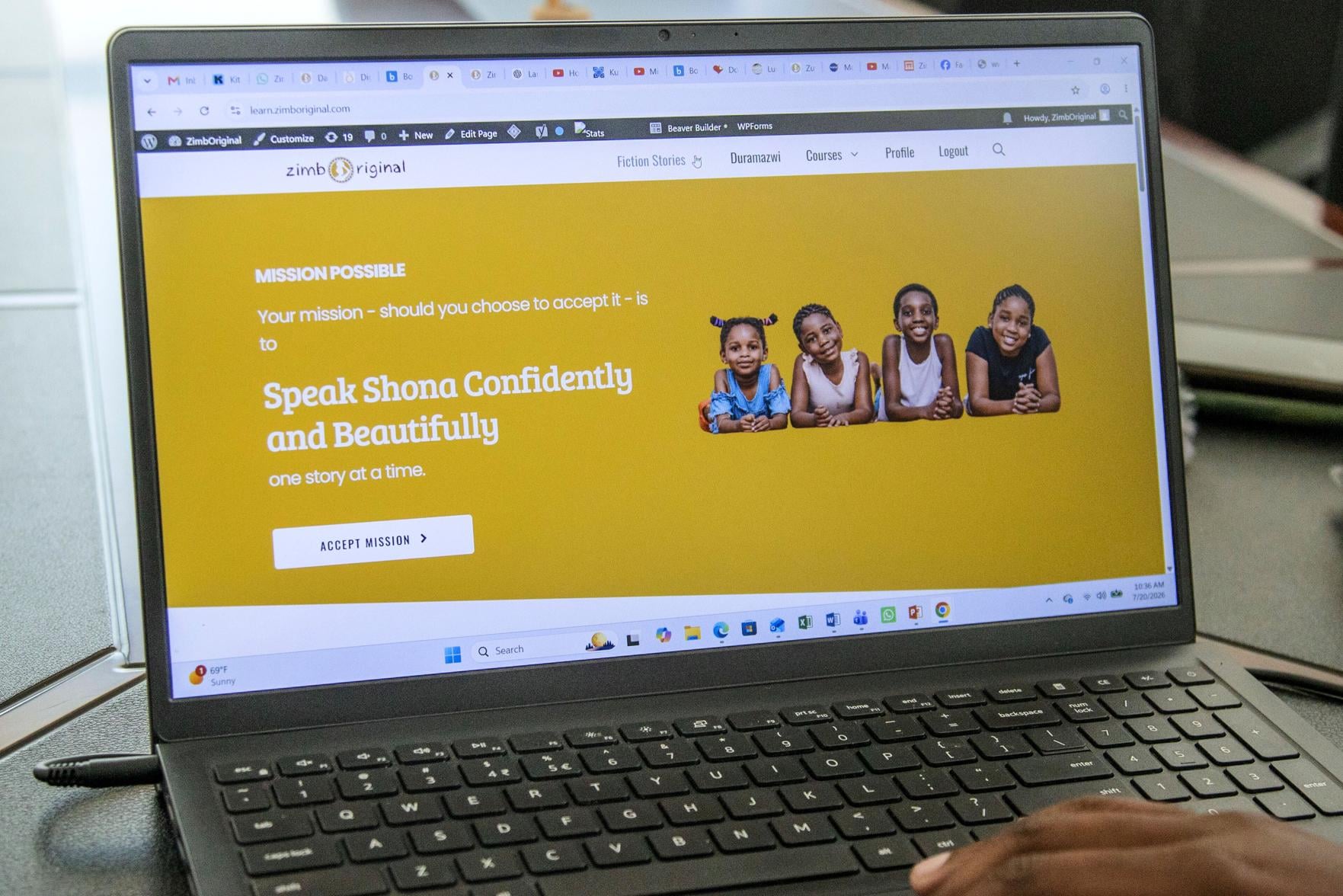
This resurgence is fueled by second and third-generation Africans abroad seeking to reconnect with their heritage and communicate with relatives. Shungu Chidovi in Zimbabwe founded ZimbOriginal, an online platform teaching Shona to students in multiple countries for $50 per month, after starting a blog about Zimbabwean traditions. Believe Mubonderi, a linguistics lecturer at Zimbabwe Open University, notes that African languages were historically excluded from commerce, science, and technology, leading to a risk of endangerment.
Organizations like the African Union and UNESCO are supporting language revitalization efforts, including adopting Kiswahili as an official working language and using artificial intelligence to create educational materials. However, a significant digital gap remains, less than 2% of African languages have a substantial online presence, limiting the data available for AI training.
Despite this challenge, many Africans in the diaspora are actively embracing and promoting their linguistic roots through social media and online learning, driven by a desire for cultural identity and connection.

