Oudtshoorn Built Wealth on Ostrich Feathers
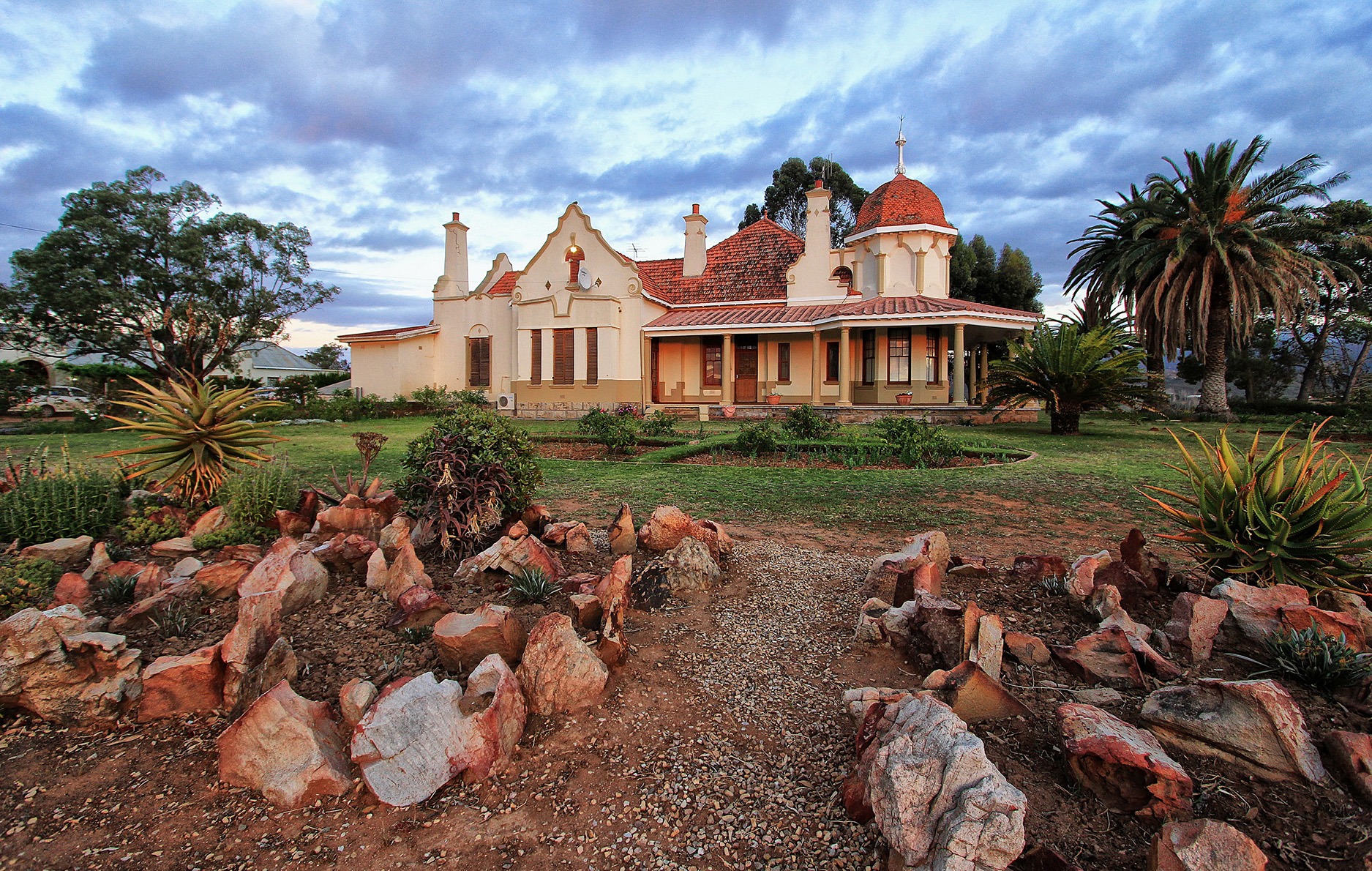
Why this is here: Charles Bullock and Johannes Vixseboxse were two architects who gained prominence building opulent homes during Oudtshoorn’s feather boom.
In the early 1900s, Oudtshoorn, South Africa, became a global center for ostrich feathers. Jewish traders arriving from North Africa and Lithuania connected local farmers to international markets in London and New York City. These traders, often called “human newspapers,” shared vital agricultural information with isolated farming families.
The resulting wealth funded ornate “feather palaces” filled with imported materials like Dutch stained glass and Italian marble. However, the boom ended abruptly around 1914 due to factors like the rise of automobiles—which didn’t require feathered hats—and wartime austerity. Some farmers, like the Potgieters, diversified into fruit and livestock, but many faced bankruptcy.
Today, Welgeluk Ostrich Palace, renovated by Stan Lipschitz, operates as a bed and breakfast and benefits from nearby ostrich farms. While the industry has evolved to include meat, leather, and tourism, the region remains vulnerable to drought and market fluctuations, meaning reliance on ostriches still carries risk.
Surfaced by the Discovery lens — one of the vital signs ovr.news reads.
How we evaluated this
AI summary
read the original for the full story — Read on dailymaverick.co.za . How we work →