Scientists and filmmakers partner to humanise African conservation
Headline and summary by local AI
Filmmakers and scientists collaborated at the 15th Oppenheimer Research Conference in Midrand to discuss how combining scientific data with storytelling can improve conservation narratives in Africa.
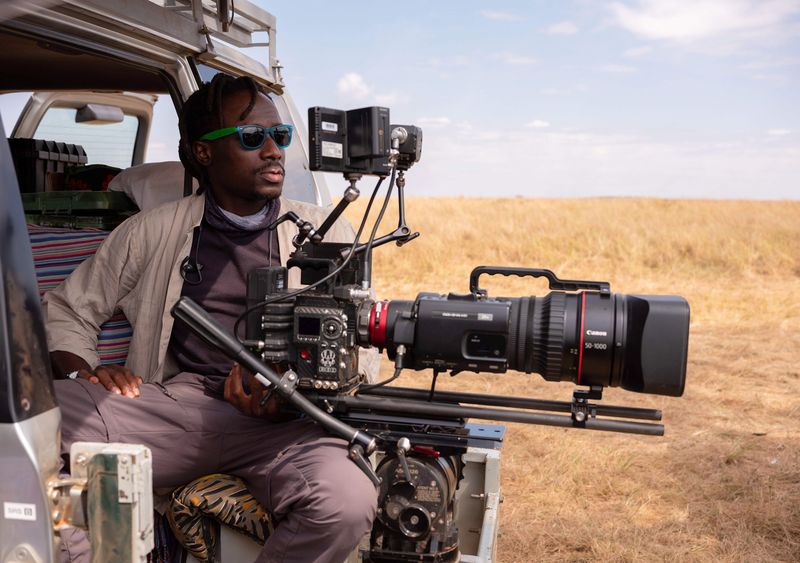
Noel Kok, the executive director of Nature, Environment & Wildlife Filmmakers (NEWF), explained that his organisation aims to move beyond stereotypes of Africans as only poachers or guides. He noted that NEWF has grown into a community of 400 fellows across 37 African countries.
Kok argued that while science provides necessary knowledge, storytellers provide a human journey that helps people feel a connection to environmental issues. The partnership allows researchers to reach audiences beyond professional circles while giving filmmakers access to complex ecological data. For example, marine biologist Gérard Zinzindohoué worked with filmmakers to document deep-water coral reefs in Benin, a country in West Africa. He chose to dive to 70m to collect samples himself rather than using a remote vehicle.
This collaboration allowed him to pursue his research while providing filmmakers with a unique conservation story. Nancy Iraba, a former marine science student in Zanzibar, shared how she transitioned from publishing papers to using storytelling to support ecosystem restoration. She noted that scientists often work in silos and need to build trust with artists to share their work accurately.
Nyancho NwaNri added that storytellers should look for the lived experiences of people, such as the daily struggles of those facing water scarcity in Cape Verde. Both Iraba and NwaNri encouraged storytellers to pursue ideas independently of funding to ensure that local communities help shape how their stories are told.
Selected and summarized by local AI How we work