Alabama Civil Rights Trail Features Eight Sites
Why this is here: Photographs and television footage from the Children’s Crusade in Birmingham directly led to increased congressional support for federal civil rights legislation.
In Alabama, the National Park Service and local organizations preserve eight key sites detailing the Civil Rights Movement. These locations across Birmingham, Selma, and Montgomery recall events from the 1940s to the 1960s.
Bethel Baptist Church in Birmingham served as a command center for protests despite being bombed three times. Kelly Ingram Park hosted the Children’s Crusade, where young demonstrators faced violence captured by national media.
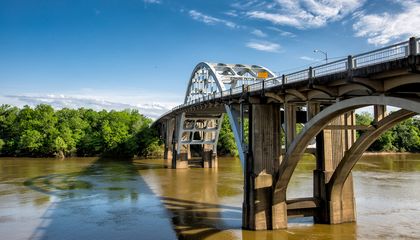
The 16th Street Baptist Church in Birmingham was the site of a fatal bombing in 1963, galvanizing support for the Civil Rights Act of 1964. Selma’s Edmund Pettus Bridge saw peaceful marchers attacked on “Bloody Sunday,” leading to the Voting Rights Act of 1965.
The Rosa Parks Museum in Montgomery stands near where Parks was arrested, sparking the Montgomery Bus Boycott. Dexter Avenue King Memorial Baptist Church housed organizing for the boycott and served as Dr. Martin Luther King Jr.’s first pastorate.
The Tuskegee Airmen National Historic Site honors Black pilots and crew, while the Freedom Riders National Monument in Anniston commemorates those who challenged segregation via interstate travel. While these sites document a history of struggle, the full impact of systemic racism remains a challenge. Preservation efforts continue, inviting visitors to reflect on the movement’s legacy.
Surfaced by the Belonging lens — one of the vital signs ovr.news reads.
How we evaluated this
AI summary
read the original for the full story — Read on smithsonianmag.com . How we work →