Tennessee’s Civil Rights Trail Includes Eight Landmarks
Why this is here: Robert Church, a formerly enslaved man, became one of the wealthiest Black Americans of the Gilded Age and restored Beale Street’s community institutions after devastating epidemics.
In Tennessee, the National Park Service recognizes eight landmarks on the U.S. Civil Rights Trail, preserving sites from Memphis to Clinton. These locations chronicle decades of struggle for racial equality, beginning with Beale Street’s role as a center for Black commerce in 1841.
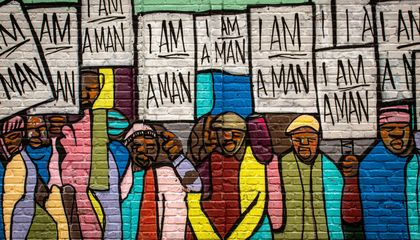
Mason Temple Church of God in Christ in Memphis hosted Dr. Martin Luther King Jr.’s final speech on April 3, 1968, before his assassination the next day.
The National Civil Rights Museum now surrounds the Lorraine Motel, where King was killed, preserving the room and balcony. Further sites include Stax Records, where integrated bands created soul music, and Fisk University in Nashville, where students trained in nonviolent protest.
In Clinton, the Green McAdoo Cultural Center commemorates the Clinton 12, the first African American students to integrate a high school in the South in 1956, despite facing violent opposition. While the museum preserves the past, the Legacy Experience at the National Civil Rights Museum will not open until May 16, 2026. These sites reveal the ongoing work needed to fully realize the movement’s goals.
Surfaced by the Belonging lens — one of the vital signs ovr.news reads.
How we evaluated this
AI summary
read the original for the full story — Read on smithsonianmag.com . How we work →