Neolithic communities in Spain practiced ritual cannibalism
Headline and summary by local AI
Archaeologists and forensic experts analyzed skeletal remains from three caves in the province of Granada, Spain, to determine how prehistoric people consumed human flesh.
The team examined 967 fragments from at least 60 individuals found in the Malalmuerzo, Carigüela, and Majolicas caves. By using high-resolution microscopy and machine learning, researchers identified systematic butchery marks, including evidence of defleshing, marrow extraction, and boiling. The study shows that these practices were not always a result of starvation or war.
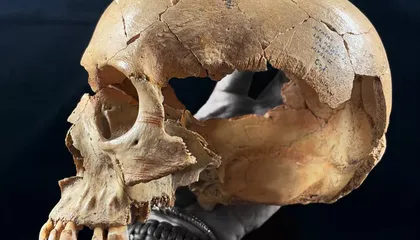
At Malalmuerzo Cave, evidence suggests a violent event around 5000 B.C.E. where people from all age groups were killed and consumed. However, at Carigüela Cave, the remains indicate a long period of recurrent activity over a millennium. Researchers found skull cups at this site, where the craniums of an adult and a child were modified into drinking vessels. At Majolicas Cave, the evidence suggests a different social reality.
The remains, mostly belonging to adults between 18 and 45, showed no signs of interpersonal violence. Instead, the bones were coated in cinnabar, a mineral linked to death rites. This suggests that these communities may have practiced cannibalism as a funerary tradition to keep the deceased connected to the living, rather than out of necessity.
Selected and summarized by local AI How we work