Cape Leopards Show Genetic Uniqueness
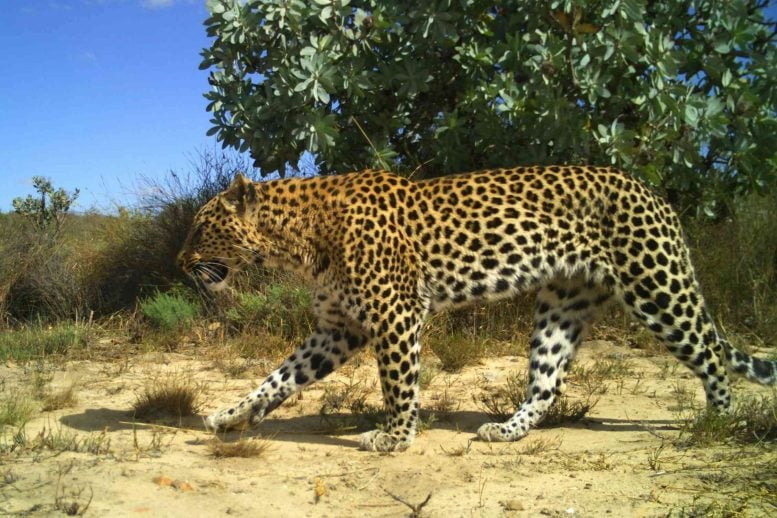
Why this is here: Leopards in the Cape Floristic Region have been isolated from other African leopards for approximately 20,000 to 24,000 years, leading to unique genetic adaptations.
Researchers in South Africa determined that leopards in the Cape Floristic Region possess a distinct genetic makeup. A team examined the genomes of these leopards, comparing them to those from other parts of Africa. They found the Cape leopards began diverging roughly 20,000 to 24,000 years ago, coinciding with a colder, drier climate.
The leopards are notably smaller than others in Africa, weighing about half as much in some cases. Genetic analysis revealed around 90 genes linked to body size, muscles, and energy use, suggesting adaptation to a landscape with smaller prey like rock hyrax and klipspringer. Surprisingly, the leopards exhibit only slightly lower genetic diversity than other African populations.
However, the leopards still face threats from habitat fragmentation, road mortality, and potential conflict with people. Connecting habitats and addressing persecution remain crucial for their long-term survival.
Surfaced by the Recovery lens — one of the vital signs ovr.news reads.
How we evaluated this
AI summary
read the original for the full story — Read on scitechdaily.com . How we work →