Scientists revive Galapagos snapdragon from near extinction
Summary and headline written by AI from the source article. How we work
Researchers from the Charles Darwin Foundation and the Galápagos National Park Directorate worked to save the Galápagos snapdragon, a plant once on the verge of disappearing from Isabela Island, Ecuador.
In 1962, scientists collected a specimen of the plant near Caleta Tagus, but for decades, they weren't sure if it still existed in the wild. A search in 1998 confirmed the plant’s precarious state, with only six individuals remaining by 2007 due to grazing by introduced animals.
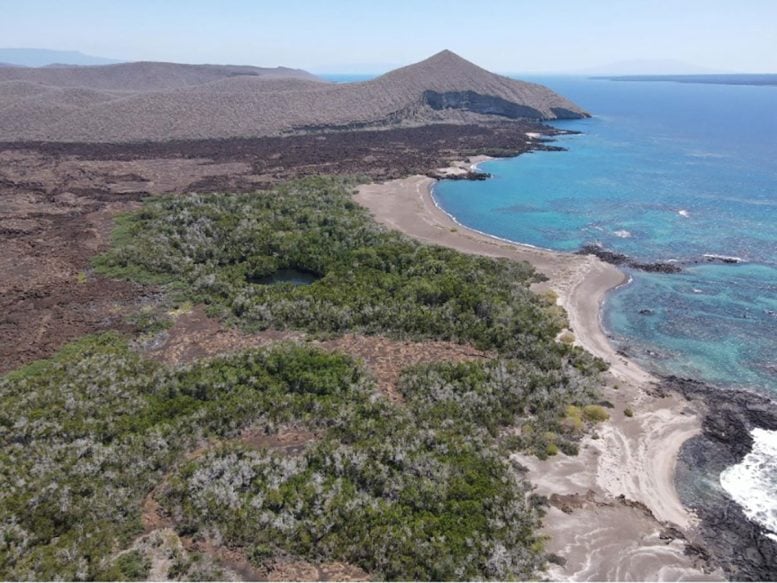
The Galápagos Verde 2050 program responded by growing new plants in nurseries and transplanting them to the harsh volcanic landscape between 2017 and 2024. Researchers discovered that the plants prioritized root development, informing their strategy for successful transplantation. In 2021, they observed a promising sign, natural seedlings emerging at Playa Tortuga Negra, though these seedlings did not survive a subsequent drought. In 2024, conservationists reintroduced the Galápagos snapdragon to Caleta Tagus, its original habitat.
Today, 28 adult plants thrive across two restoration sites, 20 at Playa Tortuga Negra and 8 at Caleta Tagus, and the team documented their methods in a new propagation guide. The researchers hope to apply these techniques to other endangered island species, emphasizing that continued collaboration and monitoring are crucial for long-term success.